Flood Insurance vs Homeowners Insurance: Understanding the Key Differences

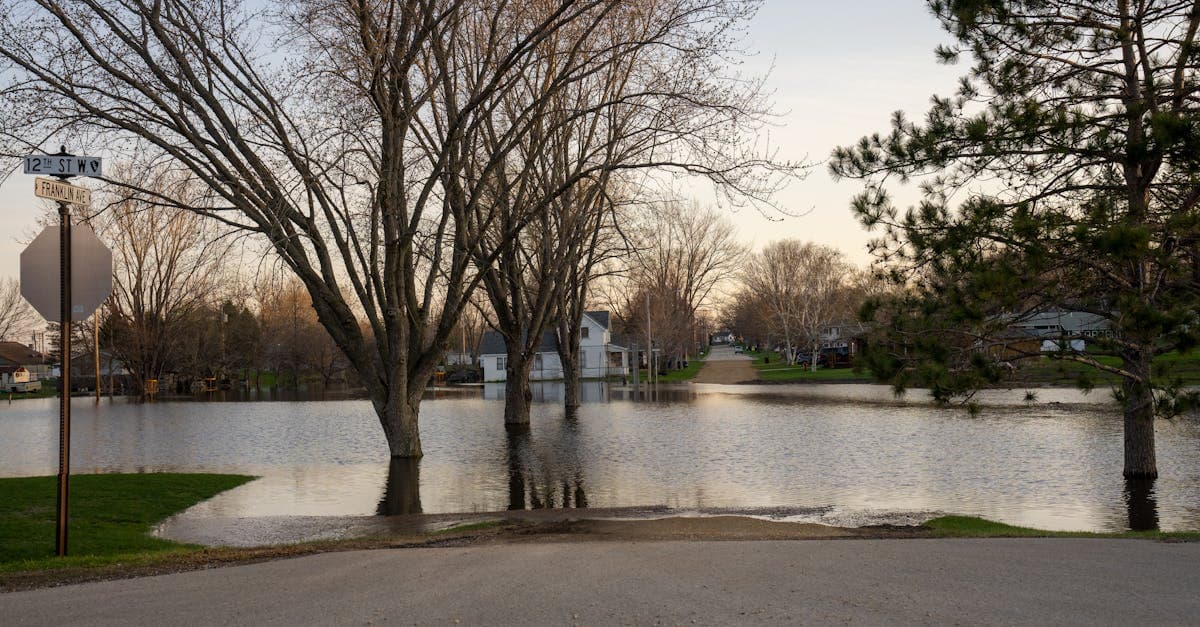
Flood insurance in America has a troubled and instructive history that explains why the coverage exists as a separate policy today. Before 1968, private insurers refused to offer flood coverage because the risk was too concentrated, too catastrophic, and too unpredictable for private markets to price profitably.
After catastrophic floods in the 1960s left thousands of homeowners with no insurance and no recourse, Congress created the National Flood Insurance Program in 1968. The NFIP was a compromise: the federal government would provide flood insurance that the private market would not, and in exchange, participating communities would adopt floodplain management regulations to reduce future flood damage.
The program grew slowly at first but expanded significantly after the Flood Disaster Protection Act of 1973 required flood insurance for properties with federally backed mortgages in high-risk flood zones. This mandate drove adoption and made flood insurance a standard part of homeownership in flood-prone areas.
The NFIP has paid over $70 billion in claims since its creation, covering damage from hurricanes, river floods, flash floods, storm surge, and coastal erosion. Major events like Hurricane Katrina in 2005, Superstorm Sandy in 2012, and Hurricane Harvey in 2017 each generated billions in flood insurance claims and prompted reforms to the program's pricing and operations.
Today, the NFIP insures over 5 million properties while a growing private flood insurance market offers alternative coverage options. Together, these programs provide the flood protection that every homeowner needs but that standard homeowners insurance has never included.
Elevation Certificates: How Your Home's Height Affects Your Flood Insurance
What happened next changed everything. An elevation certificate is a critical document that can significantly affect your flood insurance premium by documenting your home's height relative to the expected flood level in your area.
What an elevation certificate documents: An elevation certificate records your home's lowest floor elevation, the base flood elevation for your area, the difference between the two, and other building characteristics that affect flood risk. It must be prepared by a licensed surveyor, engineer, or architect.
How elevation affects your premium: If your lowest floor is above the base flood elevation, your premium decreases — potentially by hundreds or thousands of dollars per year. If your lowest floor is below the BFE, your premium increases proportionally to the depth of exposure.
When you need one: An elevation certificate is required for new construction in flood zones, for obtaining an accurate premium quote in high-risk zones, and for applying for a Letter of Map Amendment. Even when not required, obtaining an elevation certificate often reveals that your home qualifies for a lower premium.
Cost of an elevation certificate: A licensed surveyor typically charges $200 to $500 for an elevation certificate. This one-time cost can generate annual premium savings of $500 or more, making it one of the best investments a homeowner in a flood zone can make.
Elevation certificates and new construction: Homes built after the community's first flood map must be built to or above the base flood elevation. The elevation certificate documents compliance and serves as the basis for accurate flood insurance premium calculation.
Sharing your elevation certificate: Provide your elevation certificate to your insurance agent and keep a copy in your records. If you sell your home, the elevation certificate transfers to the new owner and helps them obtain accurate flood insurance pricing without commissioning a new survey.
How to File a Flood Insurance Claim: The Step-by-Step Process
The story does not end there. Filing a flood insurance claim follows a specific process that differs from standard homeowners insurance claims. Understanding the steps in advance helps you document damage properly and receive your full claim payment.
Step one — document the damage: Before any cleanup begins, photograph and video all flood damage from multiple angles. Document the water line height on walls, damaged structural elements, destroyed personal property, and the extent of water penetration. This documentation is your primary evidence for the claim.
Step two — report the claim promptly: Contact your flood insurance company as soon as possible after the flood recedes. NFIP policies require you to report the claim within 60 days of the flood event. Your insurer assigns a claim number and schedules an adjuster visit.
Step three — separate flood damage from other damage: If the same event caused both flood and wind damage, separate the two for claims purposes. Flood damage goes to your flood insurer. Wind damage goes to your homeowners insurer. Documenting the cause of each type of damage is essential for proper claim processing.
Step four — meet with the adjuster: The flood claims adjuster inspects your property, documents the flood-related damage, and prepares a repair estimate. Be present during the inspection to point out all flood damage including hidden damage behind walls, under flooring, and in mechanical systems.
Step five — submit your proof of loss: NFIP claims require a signed and sworn proof of loss statement within 60 days of the adjuster's report. This document itemizes all flood damage and the claimed amounts. It is a legal requirement for NFIP claims that many homeowners are not aware of until after the flood.
Step six — receive payment and begin repairs: Once your claim is approved, the insurer pays the covered amount minus your deductible. Building claims may be paid in installments as repairs progress. Begin repairs promptly to prevent additional damage from mold, structural deterioration, or weather exposure.
The History of Flood Insurance: From Crisis to the Modern NFIP
What happened next changed everything. The history of flood insurance in America explains why the coverage exists as a separate government program and how it has evolved to address the growing financial impact of flooding.
The pre-NFIP era: Before 1968, private insurers refused to offer flood coverage because flood risk was too concentrated and catastrophic for private markets to handle profitably. Homeowners in flood-prone areas had no insurance option and relied entirely on personal savings and federal disaster relief after floods.
The 1968 creation of the NFIP: After devastating floods in the 1960s, Congress passed the National Flood Insurance Act of 1968, creating the NFIP. The program offered flood coverage that private markets would not provide, in exchange for communities adopting floodplain management regulations.
The 1973 mandate: The Flood Disaster Protection Act of 1973 required flood insurance for properties with federally backed mortgages in high-risk flood zones. This mandate dramatically increased flood insurance adoption and established the connection between flood maps, mortgages, and insurance that exists today.
Major storm impacts: Each major flood event shaped the NFIP. Hurricane Katrina in 2005 generated $16 billion in claims and exposed pricing inadequacies. Superstorm Sandy in 2012 caused $9 billion in claims and revealed operational challenges. Hurricane Harvey in 2017 produced $9 billion in claims, with many affecting homes outside mapped flood zones.
Reform legislation: The Biggert-Waters Act of 2012 attempted to move NFIP pricing toward actuarial rates. The Homeowner Flood Insurance Affordability Act of 2014 slowed the rate increases. Risk Rating 2.0, implemented in 2021, represents the most comprehensive pricing reform in the program's history.
Current challenges: The NFIP carries over $20 billion in debt to the US Treasury. Congress has repeatedly extended the program through short-term reauthorizations rather than comprehensive reform. The growing private flood insurance market provides competition but cannot yet replace the NFIP's role as the primary flood insurer for American homeowners.
Flood Insurance and Mortgage Requirements: When Coverage Is Mandatory
What happened next changed everything. Federal law requires flood insurance for certain properties with federally backed mortgages. Understanding these requirements helps you comply with your lender's obligations and avoid costly force-placed coverage.
The mandatory purchase requirement: The Flood Disaster Protection Act of 1973 requires flood insurance for properties in Special Flood Hazard Areas (high-risk zones A and V) that have mortgages from federally regulated or insured lenders. This includes loans backed by Fannie Mae, Freddie Mac, FHA, VA, and USDA.
Coverage amount requirements: Your lender requires flood coverage equal to the lesser of the outstanding mortgage balance, the maximum available under the NFIP ($250,000 for residential), or the replacement cost of the building. The lender verifies coverage at closing and at each renewal.
Force-placed insurance: If you fail to maintain required flood insurance, your lender will purchase coverage on your behalf — called force-placed insurance. Force-placed flood policies are significantly more expensive than standard policies and provide minimal coverage. The cost is added to your mortgage payment.
Escrow requirements: The Biggert-Waters Act requires lenders to escrow flood insurance premiums for loans made, increased, extended, or renewed after January 2016 in high-risk flood zones. Your monthly mortgage payment includes the flood insurance premium just like property taxes and homeowners insurance.
Properties outside high-risk zones: If your property is in a moderate or low-risk zone, your lender generally does not require flood insurance. However, flooding in these zones is common, and your lender may recommend coverage even when it is not mandatory.
Refinancing and flood insurance: When refinancing, your new lender will verify your property's flood zone. If your property is in a high-risk zone, you must have flood insurance in place before closing. If you currently have a flood policy, it can be transferred to satisfy the new lender's requirement without triggering a new waiting period.
Flood Insurance vs Federal Disaster Assistance: Why Insurance Is Superior
The story does not end there. Many homeowners assume that federal disaster assistance will cover their flood losses if they do not have flood insurance. This assumption is one of the most costly mistakes a homeowner can make. Understanding the difference between insurance and disaster aid is critical.
FEMA grants are limited: The average FEMA disaster grant is approximately $5,000 per household. The maximum individual assistance grant is around $42,500, but most recipients receive far less. Compare this to average flood insurance claims of $52,000. The gap between disaster aid and actual flood damage is enormous.
Disaster loans must be repaid: The primary form of federal flood assistance beyond small grants is SBA disaster loans. These are loans — not gifts — with interest rates around 2 to 4 percent and repayment terms of up to 30 years. A $50,000 SBA loan to repair flood damage adds a second mortgage payment to your household budget.
Disaster declarations are not guaranteed: FEMA assistance requires a presidential disaster declaration. Not all floods trigger a declaration. If your area floods without a federal declaration, no FEMA assistance is available. Flood insurance pays regardless of whether a disaster is declared.
Insurance pays more, faster: Flood insurance claims are processed independently of disaster declarations. Your adjuster inspects the damage, you file your proof of loss, and the insurer pays your claim. The process typically takes weeks, not the months that federal disaster assistance often requires.
The financial comparison: At $700 per year, a homeowner pays $21,000 in flood insurance premiums over 30 years and has access to $250,000 in building coverage and $100,000 in contents coverage for any flood event. Without insurance, they receive $5,000 from FEMA if a disaster is declared — or nothing if it is not — plus the option to take on tens of thousands of dollars in disaster loan debt.
The clear conclusion: Flood insurance is dramatically superior to federal disaster assistance in every measurable way — coverage amount, payment speed, reliability, and total financial impact. Disaster assistance is a last resort, not a substitute for insurance.
What Flood Insurance Covers: Building and Contents Protection Detailed
What happened next changed everything. Understanding exactly what your flood insurance covers is the dedicated risk transfer instrument that moves the catastrophic financial burden of flood damage from your personal balance sheet to an insurance carrier equipped to absorb losses that would bankrupt most homeowners. The coverage is substantial but has important limitations that every policyholder should know.
Building coverage includes: The physical structure of your home — foundation, walls, floors, ceilings, and roof. Electrical and plumbing systems. HVAC equipment including furnaces and air conditioners. Water heaters and well water tanks. Built-in appliances like dishwashers, stoves, and built-in refrigerators. Permanently installed carpeting over unfinished flooring. Window blinds. Detached garages up to 10 percent of building coverage.
Contents coverage includes: Personal property inside the insured building — furniture, clothing, electronics, portable appliances, curtains, area rugs, and washer-dryers that are not built in. Contents coverage must be purchased separately from building coverage and has a maximum of $100,000 under the NFIP.
Basement coverage limitations: Flood insurance covers only specific items in basements and below-grade enclosures: utility connections, furnaces, water heaters, heat pumps, sump pumps, electrical junction boxes, and circuit breaker panels. Finished walls, floors, ceilings, and personal property stored in basements are not covered.
What counts as a flood: For insurance purposes, a flood is a general and temporary condition where two or more acres of normally dry land or two or more properties are inundated by water or mudflow. The water must come from an external source — rivers, tidal water, rainfall runoff, storm surge, or similar sources.
Increased Cost of Compliance: NFIP policies include ICC coverage that provides up to $30,000 to help bring your home into compliance with current flood building codes after a covered flood loss. This can fund elevation, floodproofing, relocation, or demolition if your community requires it.
Coverage you might not expect: Flood insurance covers debris removal, reasonable access to the insured property, and certain costs associated with relocating your belongings to prevent further flood damage. These ancillary coverages provide additional value beyond basic repair and replacement.
Risk Rating 2.0: How FEMA's New Pricing Methodology Affects Your Premium
The story does not end there. FEMA implemented Risk Rating 2.0 in 2021, fundamentally changing how flood insurance premiums are calculated under the NFIP. Understanding this new system helps you anticipate and manage your flood insurance costs.
What changed: The old pricing system relied heavily on flood zone designation and whether your home was above or below the base flood elevation. Risk Rating 2.0 incorporates individual property characteristics including distance to water, type of flooding source, reconstruction cost, and historical flood frequency.
More granular pricing: Under Risk Rating 2.0, two homes in the same flood zone may pay very different premiums based on their specific risk profiles. A home at the edge of a flood zone far from any water source may pay less than a home directly adjacent to a river in the same zone.
Winners and losers: Some homeowners see premium decreases under Risk Rating 2.0 because the old system overstated their risk. Others see increases because the new system more accurately captures their individual exposure. Properties with high replacement costs or close proximity to flood sources generally face higher premiums.
Phase-in protections: FEMA limited annual premium increases to 18 percent per year for existing policyholders to prevent sudden cost spikes. New policies receive Risk Rating 2.0 pricing immediately without phase-in protection.
Factors in the new formula: Risk Rating 2.0 considers flood type (river overflow, storm surge, coastal erosion, heavy rainfall), distance to the flood source, property elevation, replacement cost of the building, and historical claims data for the area. Each factor contributes to your individualized premium.
What you can do: Request a detailed breakdown of your Risk Rating 2.0 premium from your insurer. Compare NFIP pricing with private flood insurance quotes. Invest in mitigation measures that reduce your individual risk factors. And maintain continuous coverage to avoid losing any grandfathered benefits from prior rating systems.
Flood Zones Explained: Understanding Your Property's Risk Designation
The story does not end there. FEMA designates flood zones across the country that categorize areas by their flood risk level. Your flood zone determines whether flood insurance is mandatory, affects your premium, and indicates the likelihood of flooding at your property.
High-risk zones (Special Flood Hazard Areas): Zones beginning with A or V are high-risk flood areas. Zone AE has a 1 percent annual chance of flooding — commonly called the 100-year floodplain. Zone VE is the same risk level plus coastal wave action. Properties in these zones with federally backed mortgages must carry flood insurance.
Moderate-risk zones: Zone B and Zone X (shaded) indicate moderate flood risk — areas between the 100-year and 500-year floodplains. Flood insurance is not mandatory but is strongly recommended. These areas have a real and documented flood risk that justifies coverage.
Low-risk zones: Zone C and Zone X (unshaded) indicate minimal flood risk. Flood insurance is not required but remains available and affordable. Importantly, over 25 percent of all NFIP claims come from properties in these supposedly low-risk zones.
Coastal high-hazard zones: Zone V areas face the highest coastal flood risk including wave action. Properties in V zones face the highest premiums and the strictest building requirements. Storm surge from hurricanes and tropical storms creates devastating flood risk in these areas.
Finding your flood zone: Enter your address at FEMA's Flood Map Service Center to find your property's flood zone designation. Your insurance agent, mortgage lender, or local planning office can also provide this information. The flood zone directly affects your insurance requirement and premium.
Challenging your flood zone: If you believe your property is incorrectly mapped in a high-risk zone, you can request a Letter of Map Amendment from FEMA. An elevation certificate from a licensed surveyor provides the documentation needed to support your request. A successful LOMA can eliminate your mandatory purchase requirement and significantly reduce your premium.
The Bottom Line on Flood Insurance
Your homeowners insurance is a comprehensive policy that covers many perils — but it has a critical blind spot for flooding. Flood insurance fills that blind spot with dedicated coverage specifically designed for the unique financial characteristics of flood damage.
Understanding flood insurance is the dedicated risk transfer instrument that moves the catastrophic financial burden of flood damage from your personal balance sheet to an insurance carrier equipped to absorb losses that would bankrupt most homeowners. Know what it covers. Know what it costs. Know whether your lender requires it. And know that you cannot buy it at the last minute because of the 30-day waiting period.
Flood insurance exists because private insurers historically could not profitably cover flood risk, and because floods devastate homeowners who lack financial protection. The NFIP and the growing private market provide accessible, affordable coverage for any homeowner who chooses to protect their largest investment.
Purchase flood insurance before you need it. Review it annually. And enter every rain season, hurricane season, and spring thaw knowing that your home and finances are protected against the one major peril your homeowners insurance refuses to cover.
Continue reading

The 10 Things You Must Compare Before Choosing an Insurance Policy
Premium price is just one of at least ten critical factors that determine whether an insurance policy delivers genuine value. Ignoring any of these factors can leave you underinsured or overpaying.

Policy Checkup After Having a Baby: Protecting Your Growing Family
A new baby means new financial responsibilities, life insurance needs, and coverage adjustments. A policy checkup after your child arrives ensures your family's protection matches its new size.

Assignment of Benefits vs Direction to Pay: Key Differences Explained
A direction to pay tells the insurer to send the check to your contractor. An AOB transfers your legal claim rights entirely. The distinction matters enormously for your protection.