Insurance Insights & Guidance
Coverage IQ
Sharpen your insurance knowledge with data-driven insights and smarter coverage decisions.

The 10 Things You Must Compare Before Choosing an Insurance Policy
Premium price is just one of at least ten critical factors that determine whether an insurance policy delivers genuine value. Ignoring any of these factors can leave you underinsured or overpaying.

More Stories

Policy Checkup After Having a Baby: Protecting Your Growing Family
A new baby means new financial responsibilities, life insurance needs, and coverage adjustments. A policy checkup after your child arrives ensures your family's protection matches its new size.

Assignment of Benefits vs Direction to Pay: Key Differences Explained
A direction to pay tells the insurer to send the check to your contractor. An AOB transfers your legal claim rights entirely. The distinction matters enormously for your protection.

Auto Insurance Claim Timelines: How Long From Accident to Settlement
Auto insurance claims range from a few days for simple repairs to months for disputed liability or injury claims. Understanding the factors that drive your specific timeline helps you plan ahead.

Review Your Policy Before You File: What Every Policyholder Should Know
Your insurance policy contains the rules of the game. Reviewing your coverage limits, deductibles, and exclusions before filing a claim prevents surprises and helps you set realistic expectations.

The Cost of Waiting Too Long to Buy Life Insurance
Life insurance premiums increase with age and health changes. Every year you delay purchasing coverage costs you more in premiums and risks being declined due to developing health conditions.
Understanding Death Benefit Projections in Life Insurance Illustrations
Your illustration shows how the death benefit may change over time depending on premium payments, policy charges, and the performance of underlying investments or crediting mechanisms.

Life Insurance Medical Exam Blood Tests: What They Reveal About Your Health
Blood tests during a life insurance medical exam check cholesterol, glucose, liver enzymes, kidney function, and markers for conditions like diabetes, heart disease, and infectious diseases.

Dangerous Hobbies That Can Get Your Life Insurance Denied
Skydiving, rock climbing, scuba diving, and other high-risk activities can trigger higher premiums or outright denials. Understanding how insurers evaluate hobby risk helps enthusiasts find appropriate coverage.

Understanding Interest Rates on Life Insurance Policy Loans
Policy loan interest rates typically range from 5 to 8 percent depending on the insurer and policy type. Understanding how interest accrues and compounds helps borrowers manage loan costs effectively.

Whole Life Insurance Cash Value: Guaranteed Growth and Dividend Potential
Whole life insurance offers guaranteed cash value growth at a fixed rate plus potential dividends from mutual insurance companies. This combination creates predictable savings accumulation inside your policy.

Is the Life Insurance Death Benefit Taxable? Understanding Tax Implications
Life insurance death benefits are generally income tax-free to beneficiaries. However, estate taxes, interest on delayed payments, and certain policy structures can create tax liability.

How Creditors Can Access Life Insurance Proceeds When No Beneficiary Is Named
Life insurance paid to a named beneficiary is generally protected from creditors. But when proceeds go to the estate, creditors can file claims against those funds before heirs receive anything.

Common Mistakes When Naming Multiple Life Insurance Beneficiaries
Percentages that do not add to 100, outdated designations after divorce, and failing to name contingent beneficiaries are among the most costly mistakes. Avoiding these errors protects your family from delays and disputes.

What Happens When Your Named Beneficiary Dies Before You Do
If your primary beneficiary predeceases you and you have no contingent beneficiary named, the death benefit may go to your estate — triggering probate, potential creditor claims, and distribution delays.

Should You Name a Minor Child as Your Life Insurance Beneficiary?
Naming a minor child directly as beneficiary creates legal complications because minors cannot receive insurance proceeds. Understanding alternatives like trusts and custodial accounts protects your child's inheritance.

Mortgage Life Insurance vs Term Life Insurance: Which Is Better?
Mortgage life insurance from your lender pays the bank directly and decreases over time. Term life insurance pays your family the full benefit and gives them the choice of how to use it.

Life Insurance for Couples Without Children: What You Need to Know
Couples without children often share mortgages, car loans, and living expenses. Life insurance ensures the surviving partner can maintain financial stability without your income contribution.

Term Life Insurance for Young Families: Maximum Coverage at Minimum Cost
Young families with limited budgets can secure substantial death benefit coverage through term life insurance. A healthy 30-year-old can often purchase $500,000 in 20-year term coverage for under $30 per month.

Cost of Insurance Charges in Universal Life: What You Need to Know
Every month, universal life policies deduct cost-of-insurance charges from the cash value to pay for the death benefit. These charges increase with age and can significantly impact policy performance over time.

Whole Life Insurance Dividends: How Participating Policies Share Profits
Participating whole life policies issued by mutual insurance companies may pay annual dividends based on the company's financial performance. These dividends can enhance cash value, reduce premiums, or purchase additional coverage.

Why Term Life Insurance Is the Most Affordable Type of Life Insurance
Term life insurance costs a fraction of permanent life insurance because it covers a finite period and builds no cash value. This makes it the most accessible option for families on a budget.

Life Insurance for Stay-at-Home Parents: How to Calculate the Right Amount
Stay-at-home parents provide services worth tens of thousands of dollars annually. Calculating life insurance for a stay-at-home parent means pricing the childcare, household management, and transportation they provide.

Life Insurance as a Debt Elimination Tool for Surviving Families
Credit cards, auto loans, student loans, and personal debt do not disappear when you die. Life insurance provides the funds to eliminate these debts so your family starts their new reality without financial burdens.

What Does a Life Insurance Policy Actually Cover?
A life insurance policy covers death from almost any cause, paying your beneficiaries a tax-free lump sum. Understanding what is covered and what is excluded helps you set realistic expectations.

Landlord vs Tenant: Who Is Responsible for Flood Insurance?
Landlords typically insure the building structure but not your belongings. As a renter, you are responsible for protecting your own personal property against flood damage with a contents-only flood insurance policy.

How Much Does Flood Insurance Cost for a Condo Unit?
Condo flood insurance costs vary based on flood zone, building elevation, floor level, and coverage amounts. Individual unit owner policies through the NFIP can be surprisingly affordable for many condo owners.

How Much Does Flood Insurance Cost Outside a High-Risk Zone?
Flood insurance premiums for homes outside high-risk zones can be as low as a few hundred dollars per year through the NFIP Preferred Risk Policy. Private flood insurers may offer competitive or lower rates.

Multiple Hurricanes, Multiple Deductibles: Planning for the Worst-Case Scenario
When two or three hurricanes hit the same area in a single season, per-occurrence deductible policies require payment each time. Financial planning for active seasons means budgeting for multiple deductible obligations.

Hurricane Deductible vs Standard Deductible: Which One Applies to Your Claim?
Whether your claim uses the hurricane deductible or the standard deductible depends entirely on the storm's official classification at the time it damages your property. The difference can be thousands of dollars.

Florida Hurricane Deductible Trigger: When Does It Apply to Your Claim?
Your hurricane deductible triggers when the National Weather Service declares a hurricane watch or warning for your area. Understanding exactly when this trigger activates determines which deductible applies to your damage claim.

Hurricane Deductible Percentage Options: 1%, 2%, 5%, and Beyond
Most coastal homeowners can choose their hurricane deductible percentage — typically 1, 2, 3, or 5 percent of dwelling coverage. Higher percentages mean lower premiums but higher out-of-pocket costs.

Anti-Concurrent Causation Clauses: How Insurers Limit Overlapping Storm Claims
Many homeowners policies include anti-concurrent causation clauses that exclude damage when a covered peril and an excluded peril combine to cause a loss. This affects wind-flood overlap claims.

The Water Damage Coverage Gap That Costs Homeowners Thousands Every Year
Between flood exclusions in homeowners policies and coverage limits in flood policies, many homeowners have dangerous gaps. Identifying and closing these gaps prevents devastating out-of-pocket costs.

Currency, Vehicles, and Living Expenses: Major Flood Insurance Exclusions Explained
Three of the most impactful flood insurance exclusions affect currency and precious metals, vehicles parked outside, and additional living expenses during displacement. Each represents thousands in potential uncovered losses.

Flood Insurance for Your HVAC System, Water Heater, and Furnace
Flood insurance building coverage protects mechanical systems including furnaces, water heaters, air conditioning units, and heat pumps. These expensive systems are often the first casualties of rising water.

Flood Insurance for Florida Condo Owners: What the Association Policy Does Not Cover
Florida condo owners often assume the association's master flood policy covers everything. It typically covers the building structure but not your unit improvements, upgrades, or personal property.

Is Flood Insurance Mandatory for All Florida Properties?
Flood insurance is not mandatory for all Florida properties. The federal requirement applies only to properties in high-risk flood zones with federally backed mortgages. But Florida's flood risk makes voluntary coverage wise.
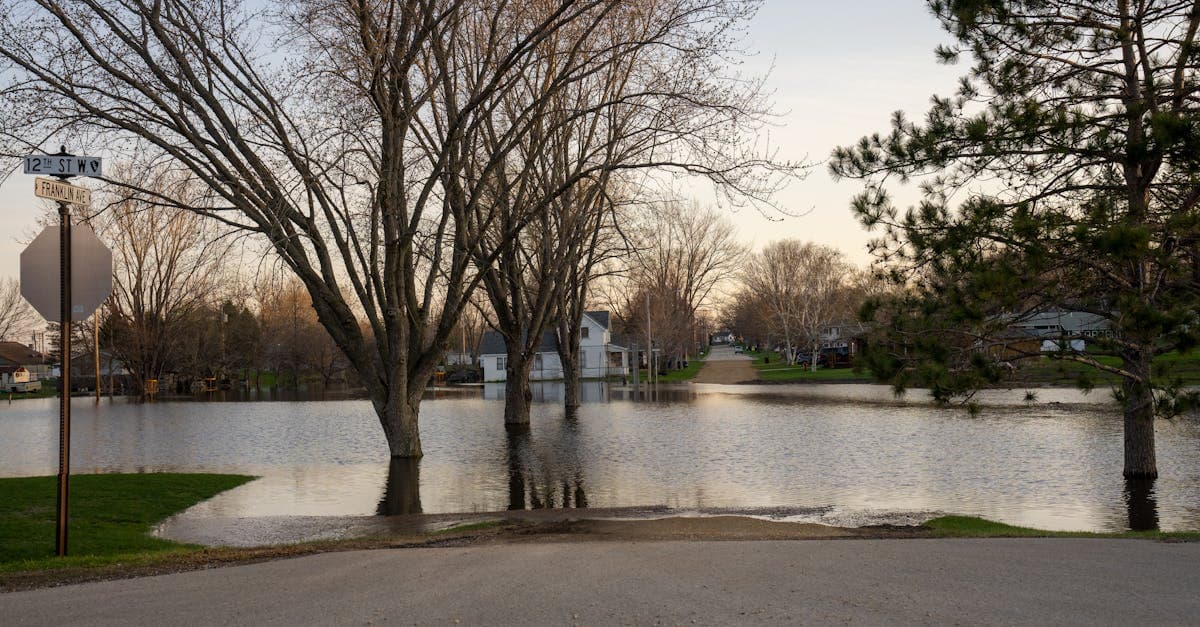
Flood Insurance vs Homeowners Insurance: Understanding the Key Differences
Homeowners insurance covers fire, wind, theft, and liability but specifically excludes flood damage. Flood insurance is a separate policy that covers damage from rising water — a peril no homeowners policy includes.

Homeowners Insurance and Flood Damage: The Coverage Gap That Costs Thousands
The gap between what homeowners assume their policy covers and what it actually pays for flood damage costs American families billions each year. Closing this gap requires understanding the exclusion and purchasing separate coverage.

What Is Citizens Property Insurance and Should Florida Homeowners Consider It?
Citizens Property Insurance Corporation is Florida's insurer of last resort. Understanding when Citizens is your only option and how its coverage compares to private insurers helps you navigate limited market choices.

Solar Panel Installation and Its Effect on Homeowners Insurance
Solar panels increase your home's replacement cost and may require a dwelling coverage limit increase. Some insurers offer green energy discounts while others view rooftop installations as additional risk.

What the Named Insured Section on Your Declarations Page Means
The named insured section identifies who is covered under the policy. Getting this section right ensures every person who should be protected actually has coverage when a claim is filed.

What Your Insurance Declarations Page Tells the Adjuster
Your declarations page summarizes your coverage limits, deductibles, endorsements, and policy period. Having it readily accessible when you file a claim ensures you understand exactly what your policy covers and what the adjuster should be evaluating.
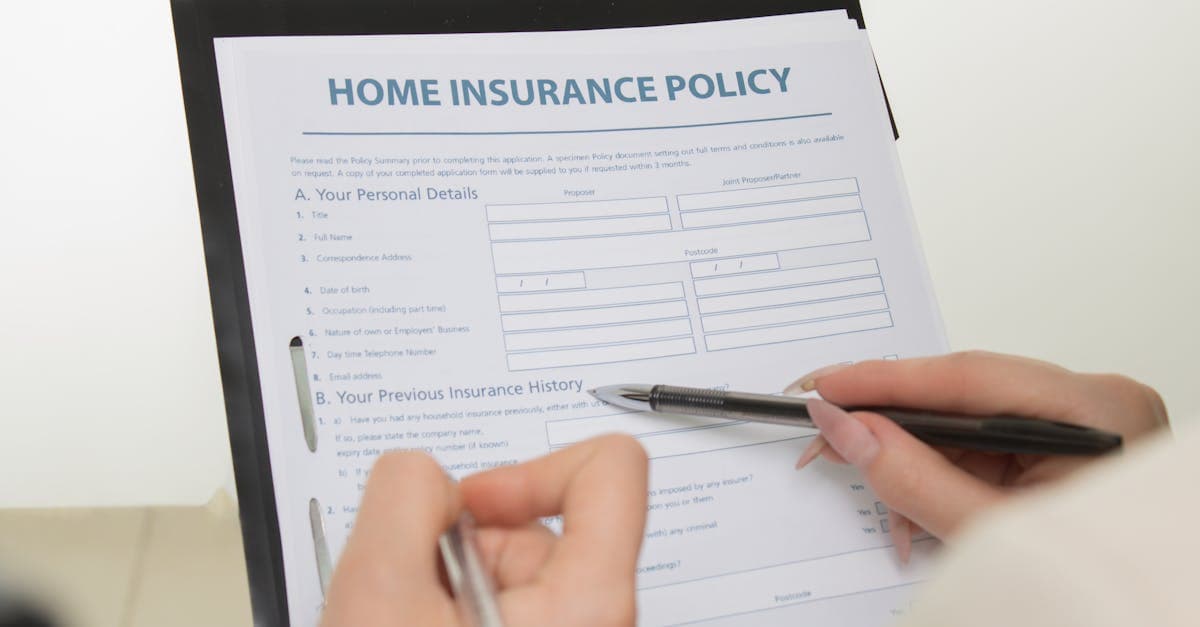
How to Avoid Coverage Gaps When Switching Homeowners Insurance
The most critical step in a mid-policy switch is ensuring continuous coverage. Your new policy must be active before your old one is canceled, and your mortgage lender must be notified of the change.

Understanding Premium Increases at Homeowners Insurance Renewal
A premium increase at renewal does not always mean you are paying more for the same coverage. Understanding whether the increase reflects higher limits, new endorsements, or rate changes helps you respond appropriately.

Does Your Credit Score Really Affect Your Homeowners Insurance Premium?
In most states, insurers use credit-based insurance scores as a premium factor. A declining credit score can increase your premium even if nothing else about your home or coverage has changed.

The Deductible and Premium Tradeoff: How Raising Your Deductible Lowers Your Premium
Increasing your home insurance deductible from $1,000 to $2,500 can reduce your annual premium by 10 to 20 percent. Understanding this tradeoff helps you make an informed financial decision.

Medical Payments Coverage: How Much Should You Carry on Your Homeowners Policy?
Medical payments coverage pays for minor injuries to guests on your property regardless of fault, typically ranging from $1,000 to $5,000. Carrying an adequate amount prevents small injuries from escalating into expensive liability claims.

Actual Cash Value for Your Roof: What Every Homeowner Must Know
Many insurers now pay only ACV for roofs over a certain age. A 15-year-old roof worth $20,000 new might yield an ACV payout of only $5,000. Understanding this shift protects your budget.

Guaranteed Replacement Cost Coverage: The Strongest Protection for Your Home
Guaranteed replacement cost pays whatever it costs to rebuild your home regardless of your policy limit. This premium coverage eliminates the risk of being underinsured during a catastrophic loss.

Replacement Cost vs Actual Cash Value for Personal Property: Which Is Better?
Replacement cost pays to buy new items at current prices. Actual cash value deducts depreciation. The difference can be thousands of dollars on a personal property claim.
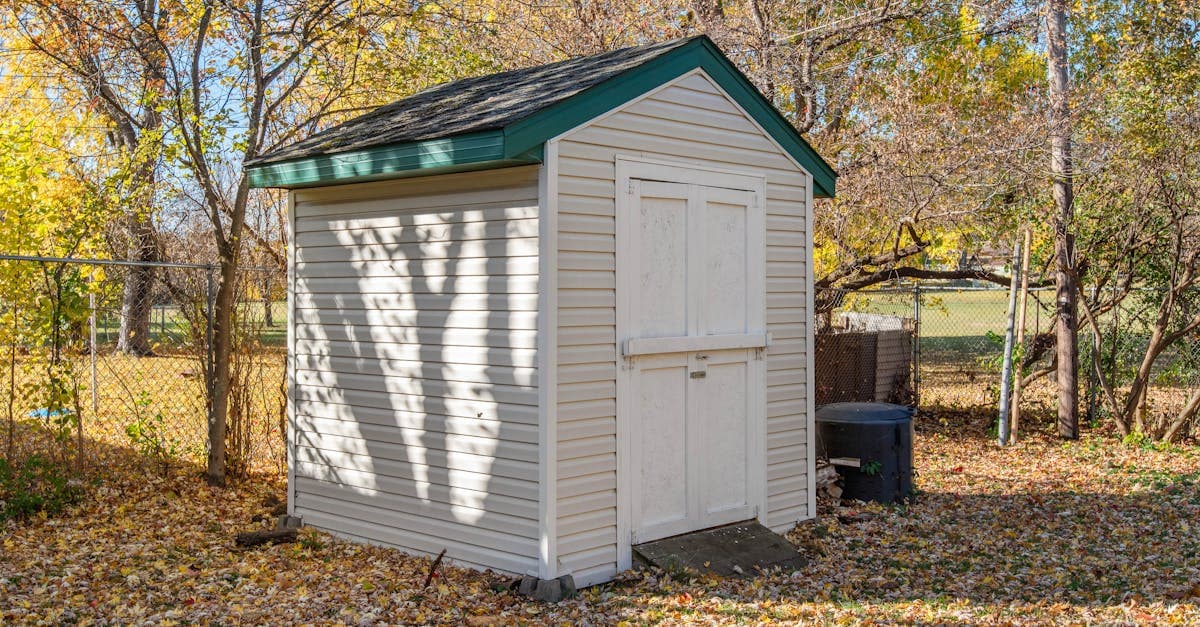
Other Structures Coverage for Sheds and Storage Buildings on Your Property
Your backyard shed, storage building, or tool house is protected under Coverage B. When wind, fire, or other covered perils cause damage, other structures coverage pays for repairs.

Replacement Cost vs Actual Cash Value Dwelling Coverage: Which Is Better?
Replacement cost dwelling coverage pays to rebuild at current prices without depreciation. Actual cash value coverage deducts depreciation. The difference can be tens of thousands of dollars.

What Does Additional Living Expenses Insurance Actually Pay For?
ALE coverage pays for more than just a hotel room. It covers meals, laundry, storage, commuting costs, and other expenses that exceed your normal living costs during displacement.

What Does Personal Liability Cover on a Homeowners Policy?
From slip-and-fall accidents to dog bites, personal liability covers a wide range of incidents. Knowing exactly what qualifies helps you understand your protection.

Is Property in a Storage Unit Covered by Homeowners Insurance?
Items stored in rented storage units often qualify for off-premises personal property coverage. Knowing the limits helps you decide if additional protection is needed.
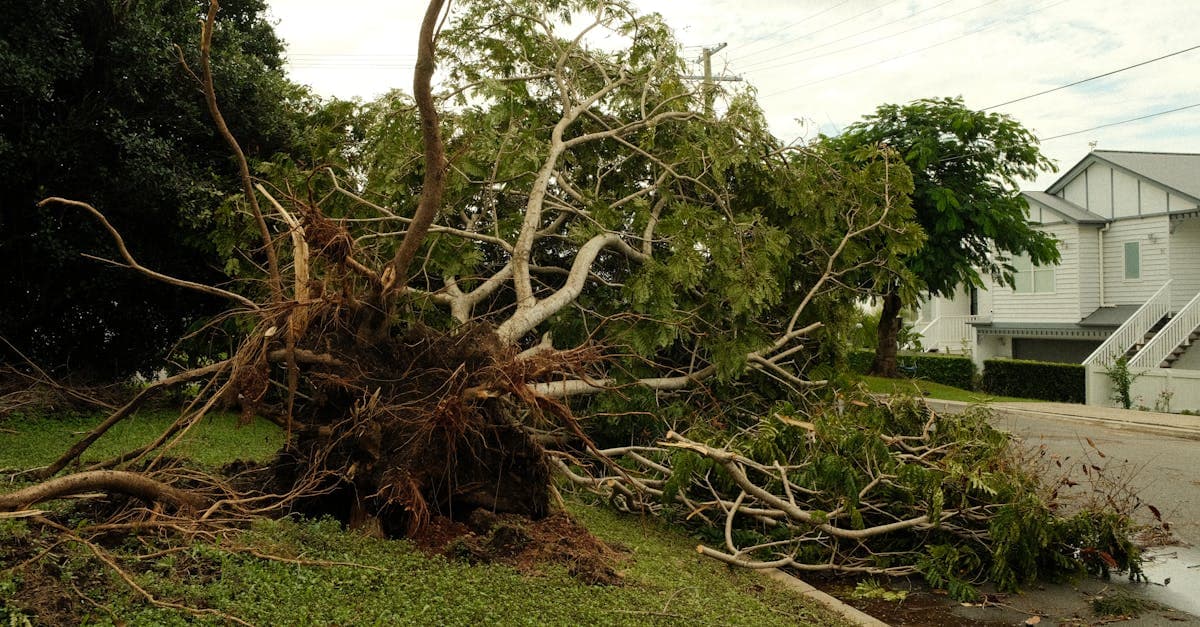
Neighbor's Tree Falls on Your Property: Who Pays?
When your neighbor's tree damages your home, your insurance typically pays for your repairs. Understanding liability rules prevents neighbor disputes after tree falls.

Hurricane Damage and Home Insurance: What Florida Homeowners Must Know
Hurricane damage involves wind, rain, and sometimes flooding. Knowing which parts of hurricane damage are covered helps Florida homeowners plan their protection.

Does Home Insurance Cover Sewer Backup? Here's the Truth
Standard homeowners policies exclude sewer backup damage — a $4,000–$10,000 average loss. A $40–$50 yearly endorsement closes the gap. See if you need it.

Hidden Mold Behind Walls: Does Your Insurance Cover It?
Mold growing unseen behind walls and under floors creates expensive surprises. Whether insurance covers hidden mold depends on how and when it started growing.
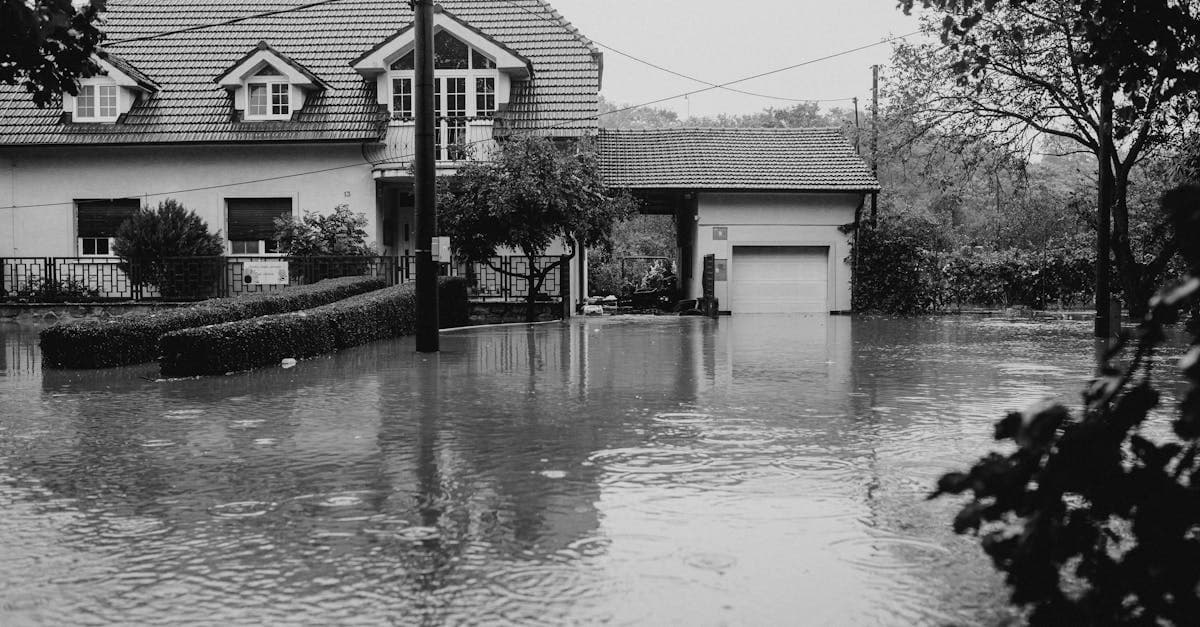
The Sewer Backup Endorsement Every Homeowner Needs
Standard homeowners insurance excludes sewer backup damage, but a cheap endorsement closes this common gap. Understanding sewer backup coverage protects you from one of the most frequent home damage events.

Gradual Roof Leaks vs Sudden Damage: The Coverage Distinction That Matters
Insurance covers sudden roof damage but excludes gradual deterioration. The distinction between these two categories determines whether your claim is paid or denied.

Pest Damage Is Never Covered by Homeowners Insurance — Here Is Why
Termites, rodents, and insects cause billions in damage annually, but homeowners insurance excludes all of it. This exclusion treats pest damage as a preventable maintenance issue.

Loss of Use Coverage: What Happens When You Cannot Live in Your Home
If covered damage makes your home uninhabitable, loss of use coverage pays for temporary housing, meals, and other additional expenses while repairs are completed.

The Cost of Ignoring Your Florida Auto Insurance Policy for Years
Drivers who never review their policies overpay by hundreds annually and carry coverage that no longer matches their needs. A single review session can fix both problems.

How Long Can You Go Without Car Insurance in Florida?
The short answer is zero days. Florida's electronic system detects lapses almost immediately, and even a brief gap triggers penalties that can take months to resolve.

The Real Cost of Carrying Only Minimum Insurance in Florida
Florida's minimums are among the lowest in the nation. Discover what happens financially when a serious accident exceeds your bare-minimum coverage limits.

Florida PDL vs PIP: Understanding Your Two Required Coverages
Florida mandates both PDL and PIP, but they protect entirely different things. Knowing the distinction helps you understand what your minimum policy actually provides.

Florida PIP vs Health Insurance: Which Pays First After a Crash?
When you have both PIP and health insurance, coordination of benefits determines which pays first. Understanding the order prevents billing surprises and coverage gaps.

How PIP Coverage Works After a Florida Car Accident
Personal Injury Protection is your primary medical coverage after a Florida accident. Understanding how PIP pays and its limits protects your recovery.

Who Pays the Deductible When Someone Else Crashes Your Car?
Your deductible applies when a borrower crashes your car, but who ultimately pays it depends on the agreement between you and the driver.

Lending Your Car to a Friend: What Your Insurance Covers
Lending your car means lending your insurance. Before handing over the keys, understand what your policy will and will not cover.

Does Liability Insurance Cover Theft? Understanding the Coverage Gap
If you carry only liability insurance, you have zero theft protection. Understanding this critical gap helps you decide whether comprehensive coverage is worth adding.

How to File a Windshield Insurance Claim Step by Step
Filing a glass claim is straightforward when you know the process. This step-by-step guide walks you through everything from documentation to repair completion.

How Much Does Gap Insurance Cost? $20 vs. $500 Compared
Gap insurance costs $20–$40/year from your auto insurer or $500–$700 as a one-time dealer fee. See which is cheaper and how to switch if you bought from the dealer.

Does Rental Reimbursement Cover a Total Loss Situation?
When your vehicle is totaled, rental reimbursement provides temporary transportation while you find a replacement. Understanding the coverage timeline is critical.

Roadside Assistance for Dead Batteries: What to Expect
Battery jump-start service is one of the most commonly used roadside benefits. Knowing what the service covers and its limitations prepares you for a dead battery.

The Statistics That Prove Uninsured Motorist Coverage Is Worth It
One in eight drivers has no insurance. Average injury claims exceed twenty thousand dollars. These numbers make a compelling case for UM coverage.

How Uninsured Motorist Coverage Works in Hit-and-Run Accidents
Hit-and-run victims often discover that UM coverage is their only path to compensation. Knowing how these claims work speeds your recovery.

What Comprehensive Insurance Won't Cover: 9 Common Exclusions
Comprehensive covers theft, hail, and animal strikes — but not flooding, normal wear, or items left in the car. See the 9 exclusions that catch drivers off guard.

How Collision Insurance Works: From Accident to Repair Payment
After a collision, your insurance follows a specific process to get your vehicle repaired. Understanding this process helps you navigate claims with confidence.

How Your Net Worth Should Determine Your Liability Limits
Your liability limits should at minimum match your net worth — because everything you own is at risk when damages exceed your coverage.

Full Coverage vs Minimum Coverage: Understanding the Real Difference
The gap between minimum and full coverage represents hundreds of thousands of dollars in potential financial protection. Understanding this difference is critical.

How Auto Insurance Protects Your Savings, Income, and Future
Without auto insurance, a single accident can consume your savings, garnish your wages, and destroy your financial plans. Here's how coverage prevents that.

Questions Your Insurance Agent Hopes You Won't Ask
Some questions reveal uncomfortable truths about policies that agents prefer to gloss over. Ask them anyway — your financial protection depends on it.

Life Events That Demand an Immediate Insurance Review
Marriage, divorce, new home, new baby, retirement — each major life event can create coverage gaps within days if your policy is not updated promptly.

Your Insurance Rate Went Up and You Did Not File a Claim: Here Is Why
No claims, no tickets, no changes — yet your premium still rose. The reasons are often industry-wide factors beyond your individual control.

Small Claims, Big Consequences: Understanding Premium Impact
A single small claim can raise your premiums by 20 to 40 percent. Over five years, that premium increase far exceeds what you saved by filing.

The Deductible Test: When Damage Exceeds Your Threshold
If your loss barely exceeds your deductible, the net payout may not justify the long-term premium impact. Here's how to run the numbers.

Why Insurance Claims Get Denied and How to Prevent It
Most claim denials stem from preventable mistakes. Learn the top reasons claims fail and the steps to avoid each one.

Essential Auto Insurance Endorsements Every Driver Should Know
Gap insurance, rental reimbursement, and new car replacement are among the auto endorsements that can save you thousands when you need them.

Auto Insurance Exclusions: When Your Car Coverage Does Not Apply
Commercial use, intentional damage, and racing are common auto exclusions. Knowing them prevents claim denials when you need coverage most.

Why Actual Cash Value Coverage Costs Less — and Pays Less
ACV policies have lower premiums because the insurer's potential payout is reduced by depreciation. The savings come at a significant cost when you file a claim.

Why Replacement Cost Coverage Is Worth the Extra Premium
Replacement cost coverage costs more than actual cash value coverage, but the additional protection it provides is almost always worth the investment.

How Coverage Limits and Deductibles Affect Your Premium
Your premium is directly tied to both your limits and your deductible. Adjusting either one changes what you pay — here is the math.
Declarations Page 101: The Summary Every Policyholder Needs
Think of the declarations page as the table of contents for your insurance. It lists who is covered, what is covered, and how much protection you have.

The Anatomy of an Insurance Premium
Inside every premium is a complex mix of risk assessment, actuarial science, and business economics. Here is how all the pieces fit together.

The Hidden Logic Behind Insurance Deductibles
Deductibles are not arbitrary numbers. They are carefully designed risk-sharing tools that affect everything from your premium to your claim experience.

What Does Insurance Really Cover? The IQ Test Every Policyholder Fails
Most people think they understand their insurance — until they file a claim. Test your coverage IQ with this deep dive into what policies actually pay for and what they quietly exclude.
