Hidden Mold Behind Walls: Does Your Insurance Cover It?

Mold coverage in homeowners insurance has a dramatic history. Before 2001, mold was a relatively unremarkable part of water damage claims. Insurers covered mold remediation as a natural consequence of the water damage they were already paying for, without special limits or exclusions.
Then came the Ballard case in Texas, where a jury awarded a homeowner $32 million over a mold claim against her insurer. While the award was later reduced, the case triggered a wave of mold litigation that fundamentally changed how the insurance industry approached mold coverage.
Within two years, nearly every major insurer in the United States added mold exclusions or sublimits to their homeowners policies. States that had never considered mold a significant coverage issue suddenly had to develop regulatory frameworks for mold insurance. The insurance landscape shifted from broad mold coverage to highly restricted mold coverage almost overnight.
Today's homeowners policies reflect this post-litigation reality. Mold is treated as a special peril with its own exclusions, sublimits, and endorsement options. The coverage that existed before 2001 — where mold was simply part of water damage — is effectively gone from the standard market. Understanding this history helps homeowners appreciate why their current policies handle mold the way they do and what supplemental coverage options exist.
Mold and Your Home's Value: Long-Term Financial Impact
What happened next changed everything. Mold damage can affect your home's market value, your insurance history, and your ability to sell — creating financial consequences that extend well beyond the remediation cost.
Impact on home value: Homes with current mold problems see significant value reductions. Even homes with past mold issues that were professionally remediated may face buyer skepticism. The stigma of mold can reduce offers by 10 to 25 percent depending on the severity and the local market.
Disclosure requirements: Most states require sellers to disclose known material defects, including mold history. Past mold claims may appear on your CLUE report, which prospective buyers' insurers may review. Failing to disclose known mold history can result in legal liability after the sale.
CLUE report impact: Mold claims remain on your Comprehensive Loss Underwriting Exchange report for seven years. This history is visible to insurers when you apply for new coverage. Multiple mold claims or severe mold history can make obtaining affordable homeowners insurance difficult.
Insurance history consequences: Filing a mold claim can increase your premiums, trigger non-renewal at your next policy anniversary, or affect your insurability with other carriers. These consequences last for years and can cost more than the mold claim itself in increased premiums.
Strategic considerations: Before filing a small mold claim — particularly one near your sublimit — weigh the remediation cost against the long-term insurance consequences. For a $3,000 mold remediation on a policy with a $5,000 sublimit and a $1,000 deductible, the insurance payout is only $2,000 — but the claim may cost you more than $2,000 in future premium increases.
Mold Coverage Limits and Sublimits Explained
The story does not end there. Even when mold is covered under your homeowners policy, the amount your insurer will pay is typically far below your overall policy limits. Mold sublimits represent the hidden liability growing behind your walls that compounds daily while your policy's mold exclusions ensure none of the costs are covered that many homeowners do not discover until filing a claim.
How sublimits work: A sublimit is a maximum payout for a specific type of claim that is lower than your overall policy limit. If your homeowners policy has $300,000 in dwelling coverage but a $10,000 mold sublimit, the most your insurer will pay for mold remediation is $10,000 — regardless of the actual remediation cost.
Common sublimit amounts: Most standard homeowners policies sublimit mold at $5,000 to $10,000. Some policies set the sublimit even lower — $1,000 to $3,000 — particularly in high-humidity states where mold claims are most frequent. A few policies provide no mold coverage at all without a separate endorsement.
What the sublimit covers: The mold sublimit typically applies to all mold-related costs from a single event: testing, remediation, disposal, and repairs to materials damaged by the mold itself. Some policies count these costs against your overall dwelling coverage with the sublimit as the mold-specific cap. Others treat the sublimit as entirely separate from your main coverage.
Sublimit adequacy: Professional mold remediation for a moderate infestation typically costs $5,000 to $15,000. Severe cases involving multiple rooms, HVAC systems, or structural remediation can exceed $30,000. A $5,000 or even $10,000 sublimit covers only a fraction of these costs, leaving the homeowner responsible for the remainder.
Increasing your sublimit: Mold endorsements that raise your sublimit are available from most insurers. These endorsements typically increase your mold coverage to $25,000 or $50,000 for an annual premium of $50 to $200. For homeowners in high-risk climates, this endorsement is one of the most cost-effective coverage improvements available.
Mold in HVAC Systems: Coverage and Remediation
What happened next changed everything. When mold colonizes your HVAC system, the remediation becomes significantly more complex and expensive than surface mold removal. Understanding how insurance handles HVAC mold claims helps you prepare for this costly scenario.
How mold enters HVAC systems: Mold spores are always present in indoor air. When moisture accumulates in HVAC components — evaporator coils, drain pans, ductwork, or air handlers — mold colonizes these surfaces and distributes spores throughout the home. The result is whole-house contamination from a single moisture source.
HVAC mold remediation costs: Cleaning and treating HVAC ductwork for mold costs $2,000 to $6,000 depending on system size and contamination severity. If the air handler, coils, or other components are contaminated, remediation can reach $10,000 or more. Complete duct replacement in severe cases can exceed $15,000.
Coverage determination: Whether HVAC mold is covered depends on what caused the moisture that allowed mold to grow. If a covered event introduced moisture into the HVAC system — such as water damage from a burst pipe near the air handler — resulting mold may be covered. If mold grew from normal condensation, poor maintenance, or a clogged condensate drain, it is typically excluded.
The condensation problem: HVAC systems naturally produce condensation, and clogged condensate drains are one of the most common sources of HVAC-related mold. Insurers classify condensate drain clogs as maintenance issues, excluding the resulting mold from coverage. Regular HVAC maintenance that includes condensate drain cleaning prevents this common and expensive problem.
Air quality impact: HVAC mold affects indoor air quality throughout your home, potentially causing health symptoms for occupants. While your homeowners insurance may cover the remediation, it does not cover health-related expenses. Address HVAC mold promptly to protect both your home and your family.
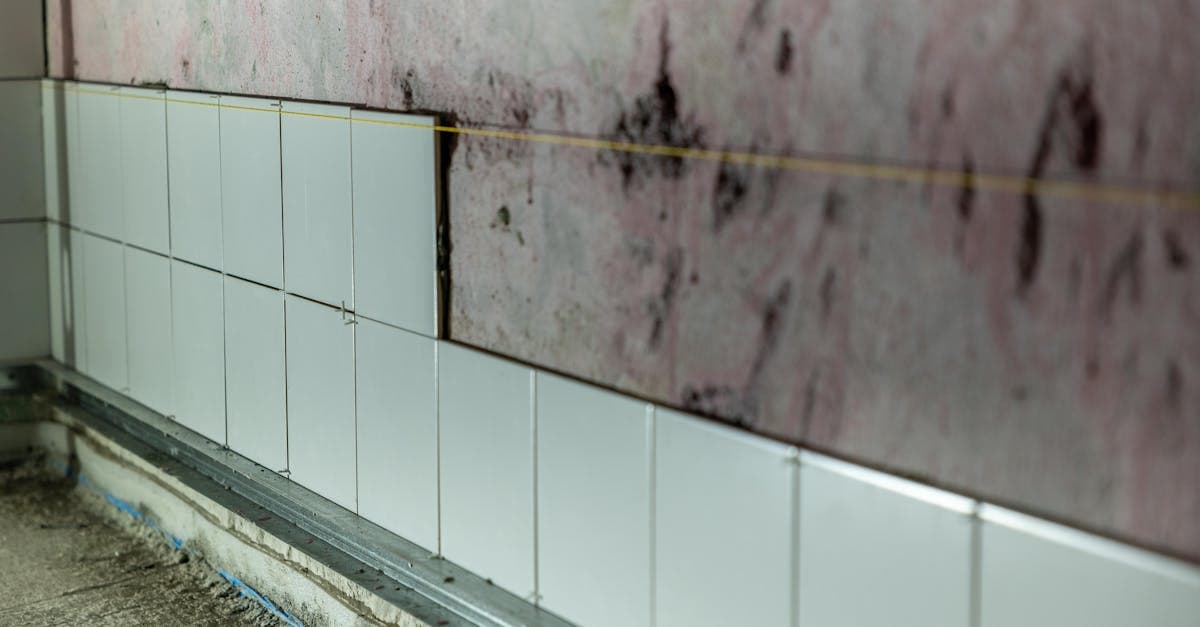
Hidden Mold Behind Walls and Under Floors
What happened next changed everything. Some of the most expensive mold situations involve growth hidden within wall cavities, beneath flooring, and in other concealed spaces where moisture accumulates undetected. These hidden mold scenarios create unique insurance challenges.
Discovery triggers the clock: When hidden mold is discovered — often during renovation, repair work, or investigation of a musty smell — the insurance coverage question immediately focuses on when and how the mold started. Hidden mold that grew from a sudden covered event is covered. Hidden mold that grew gradually from chronic moisture is not.
The discovery challenge: The longer mold grows hidden, the harder it becomes to prove whether the underlying moisture was sudden or gradual. A pipe joint that failed behind a wall three months ago may have failed suddenly — but three months of hidden growth looks gradual to an insurer. Documentation of when you first noticed symptoms like musty smells, stains, or elevated humidity helps establish the timeline.
Tear-out coverage: Accessing hidden mold often requires removing drywall, flooring, or other materials. When the underlying mold claim is covered, the cost of accessing the mold — including demolition and reconstruction — is typically covered as part of the remediation. When the claim is denied, you bear these access costs on top of the remediation.
Scope escalation: Hidden mold frequently turns out to be more extensive than initial discovery suggests. What starts as mold behind a bathroom wall may extend into adjacent rooms, floor cavities, and ceiling spaces. Each scope expansion increases remediation costs, which press against your mold sublimit.
Prevention through detection: Moisture meters, thermal imaging cameras, and smart water sensors can detect hidden moisture before mold develops. These tools are valuable both for home maintenance and for establishing documentation that supports insurance claims if mold is later discovered.
Mold Prevention: Protecting Your Home and Your Coverage
The story does not end there. Preventing mold is always less expensive and less stressful than remediating it. Effective mold prevention also protects your insurance coverage by avoiding the maintenance-related exclusions that deny most mold claims.
Control indoor humidity: Keep indoor humidity below 60 percent — ideally between 30 and 50 percent. Use dehumidifiers in basements, crawl spaces, and any area prone to moisture. Monitor humidity levels with inexpensive hygrometers placed in problem areas.
Fix leaks immediately: Even small leaks create the moisture environment mold needs. Repair dripping faucets, running toilets, and sweating pipes promptly. Inspect under sinks, around water heaters, and behind appliances regularly for signs of moisture.
Maintain proper ventilation: Use exhaust fans in bathrooms and kitchens during and after moisture-generating activities. Ensure attic ventilation is adequate to prevent moisture accumulation. Keep interior doors open when possible to promote air circulation throughout the home.
Address drainage and grading: Exterior drainage that directs water toward your foundation creates moisture intrusion that leads to mold. Ensure gutters and downspouts direct water away from the foundation. Grade soil to slope away from the house. These exterior measures prevent the interior moisture that causes mold.
Respond quickly to water damage: When any water damage occurs — covered or not — begin drying immediately. Mold can begin growing within 24 to 48 hours of water exposure. Running fans, dehumidifiers, and opening windows during dry weather can prevent mold growth if done within this critical window. Quick response protects both your home and your insurance claim.
Sudden vs Gradual Mold: The Critical Coverage Distinction
What happened next changed everything. The single most important factor in mold coverage is whether the underlying moisture was sudden or gradual. This distinction determines whether your claim is approved or denied, and understanding it prevents the most common source of mold claim frustration.
Sudden events that trigger coverage: A pipe that bursts without warning, a water heater that fails catastrophically, a washing machine hose that ruptures during a cycle, storm damage that creates an opening for rain, or an accidental overflow from a tub or sink. These events share a common characteristic — they are unexpected, unpreventable, and occur at a specific moment in time.
Gradual conditions that exclude coverage: A pipe fitting that drips slowly for months, condensation accumulating in a poorly ventilated space, a slow roof leak that worsens over multiple rain events, moisture wicking through a foundation crack over time, or humidity buildup from inadequate ventilation. These conditions develop over days, weeks, or months — and your policy excludes the mold they produce.
The gray area: Some mold situations fall between clearly sudden and clearly gradual. A pipe joint that loosened gradually but finally failed suddenly. A roof patch that held for months before giving way during a storm. These cases are where coverage disputes arise, and documentation of the failure timeline becomes critical to your claim.
Insurer investigation: When you file a mold claim, the adjuster's primary investigation focuses on determining whether the moisture source was sudden or gradual. They inspect the water damage pattern, evaluate corrosion or deterioration evidence, and assess the timeline. Prepare for this investigation by documenting everything you know about when and how the moisture problem began.
Mold After Flooding: The Coverage Gap
The story does not end there. One of the most significant mold coverage gaps affects homeowners who experience flooding. Standard homeowners insurance excludes flood damage, and this exclusion extends to mold that results from flooding — creating a double coverage problem.
The flood exclusion and mold: When floodwater enters your home and mold develops from the moisture, your standard homeowners policy denies the mold claim because the underlying cause — flooding — is an excluded peril. This applies to all types of flooding: storm surge, rising water, overflowing rivers, and surface runoff.
NFIP flood insurance and mold: The National Flood Insurance Program covers certain flood-related costs but has limited mold provisions. NFIP policies may cover mold remediation that is necessary to repair covered flood damage, but they do not provide standalone mold coverage. The coverage for mold under NFIP is narrow and often insufficient for severe post-flood mold infestations.
Private flood insurance and mold: Some private flood insurance policies offer broader mold coverage than NFIP policies. If you are purchasing flood insurance in a mold-prone area, comparing mold provisions between NFIP and private options is worthwhile.
Post-flood mold prevention: The best protection against post-flood mold is rapid drying and remediation after floodwater recedes. FEMA guidelines recommend beginning drying within 24 to 48 hours of water receding. Materials that cannot be dried quickly — carpet, padding, insulation, and drywall below the flood line — should be removed promptly to prevent mold colonization.
The financial reality: Homeowners who experience flooding often face both flood repair costs and mold remediation costs with limited insurance for either. This double exposure makes flood insurance, including policies with mold provisions, particularly important for homeowners in flood-prone areas.
Mold From Covered Water Damage: When Your Policy Pays
The story does not end there. When mold results from water damage caused by a covered peril, your homeowners policy typically covers the mold remediation — subject to your mold sublimit. Understanding which scenarios qualify is allocating coverage dollars strategically so mold remediation costs never deplete the savings you set aside for other emergencies.
Burst pipe mold coverage: A supply line, drain line, or fixture connection that fails suddenly and causes water damage will typically trigger mold coverage for any resulting growth. The key qualifier is sudden failure — the pipe must have been functioning and then failed, not deteriorating gradually over an extended period.
Appliance failure mold coverage: Water heaters, washing machines, dishwashers, and refrigerator ice makers that fail suddenly and cause water damage extend coverage to resulting mold. The failure must be sudden and accidental — not the result of a slow leak you ignored or failed to maintain.
Storm damage mold coverage: When wind, hail, or falling objects damage your roof or exterior walls and allow rain to enter your home, the resulting water damage and mold are covered. The storm damage creates the covered peril, and mold is a covered consequence of that peril.
Fire suppression mold coverage: When firefighters extinguish a house fire, the water they use can cause extensive moisture damage that leads to mold. Since the original peril — fire — is covered, the secondary water damage and resulting mold are also covered.
Coverage timeline: Even with a covered triggering event, you must act promptly. Insurers expect you to mitigate water damage within 24 to 48 hours. If you delay drying and cleanup, allowing mold to develop when prompt action would have prevented it, the insurer may deny the mold portion of your claim.
The Bottom Line on Mold and Homeowners Insurance
Think of your homeowners mold coverage as the diversified protection strategy that hedges against mold-related losses most standard policies leave dangerously uninsured. It protects against sudden mold emergencies but cannot defend against the slow, preventable moisture that causes most residential mold growth.
The gap between what this coverage provides and what homeowners expect it to provide is the hidden liability growing behind your walls that compounds daily while your policy's mold exclusions ensure none of the costs are covered. Closing that gap requires understanding your policy, supplementing it where needed, and — most importantly — preventing the moisture conditions that cause the excluded mold scenarios.
Mold coverage is limited by design. Working within those limits while preventing the excluded scenarios gives you the strongest possible mold protection for your home and your finances.
Continue reading

The 10 Things You Must Compare Before Choosing an Insurance Policy
Premium price is just one of at least ten critical factors that determine whether an insurance policy delivers genuine value. Ignoring any of these factors can leave you underinsured or overpaying.

Policy Checkup After Having a Baby: Protecting Your Growing Family
A new baby means new financial responsibilities, life insurance needs, and coverage adjustments. A policy checkup after your child arrives ensures your family's protection matches its new size.

Assignment of Benefits vs Direction to Pay: Key Differences Explained
A direction to pay tells the insurer to send the check to your contractor. An AOB transfers your legal claim rights entirely. The distinction matters enormously for your protection.