The Water Damage Coverage Gap That Costs Homeowners Thousands Every Year

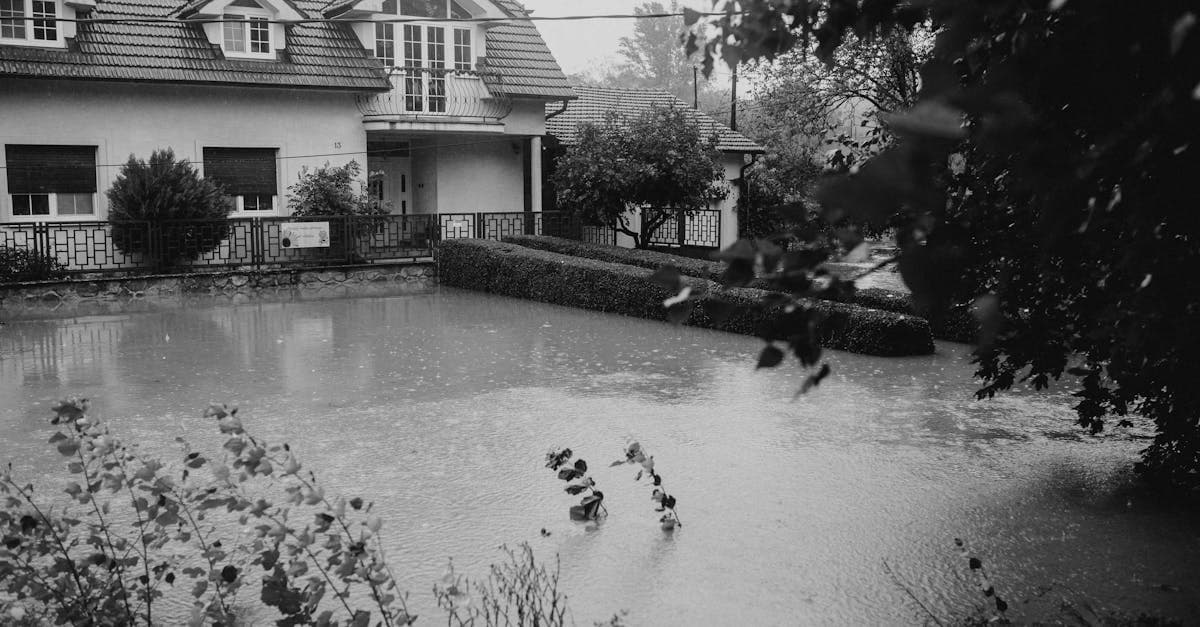
The separation between flood insurance and homeowners insurance has a specific history rooted in the economics of catastrophic loss. Understanding this history explains why two separate policies exist and why combining them into one has never been commercially viable.
In the early and mid-twentieth century, private insurers attempted to include flood coverage in standard property policies. The results were catastrophic for the industry. Flood losses are correlated — when one home in an area floods, thousands of homes flood simultaneously. Unlike fire or theft, where losses are distributed randomly across policyholders, flood losses concentrate geographically and overwhelm the risk pool.
By the 1960s, most private insurers had excluded flood damage from homeowners policies entirely. Homeowners in flood-prone areas had no coverage option. When floods struck, the federal government provided disaster relief, but the cost to taxpayers was unsustainable.
Congress created the National Flood Insurance Program in 1968 to provide flood coverage that the private market could not sustain. The NFIP operates as a federal program with government backing, subsidized rates, and standardized policy terms. It was designed specifically to complement homeowners insurance by covering the one peril that homeowners policies could not economically include.
This history explains the current landscape: homeowners insurance from private insurers covers everything except flooding, and flood insurance from the NFIP or specialized private carriers covers the flooding that homeowners insurance excludes. Two policies, two purposes, one complete protection strategy.
Mortgage Lender Requirements: When Each Policy Is Mandatory vs Voluntary
What happened next changed everything. Mortgage lenders impose different requirements for homeowners insurance and flood insurance based on different risk factors. Understanding these requirements helps you plan your insurance budget and recognize when voluntary purchase is in your best interest.
Homeowners insurance — always required: Virtually every mortgage lender requires homeowners insurance as a condition of the loan. The lender's investment in your property is protected by your homeowners policy, which covers fire, wind, and other perils that could destroy or damage the collateral for the loan. This requirement applies regardless of location, flood zone, or risk level.
Flood insurance — conditionally required: Mortgage lenders require flood insurance only for properties in FEMA-designated high-risk flood zones — Zone A and Zone V designations. If your property is in Zone X, B, or C, your lender does not require flood insurance. This does not mean you do not need it — it means the decision to purchase is yours.
The lender's perspective: Lenders require insurance to protect their collateral. They mandate homeowners insurance universally because fire, wind, and theft can destroy any home anywhere. They mandate flood insurance only in high-risk zones because that is where federal regulations require it. The lender's requirement is a legal minimum, not a recommendation for complete protection.
When voluntary purchase makes sense: If your home is outside a high-risk flood zone and your lender does not require flood insurance, you face a personal financial decision. Consider your actual flood risk, the cost of flood damage, the affordability of flood insurance for your zone, and your ability to absorb a five-figure loss without insurance.
Force-placed insurance: If your lender requires flood insurance and you fail to maintain it, the lender will purchase force-placed flood insurance at your expense. Force-placed policies cost significantly more than policies you purchase yourself and typically provide less coverage. Maintaining your own flood policy is always more cost-effective.
Escrow considerations: Many lenders escrow both homeowners and flood insurance premiums into your monthly mortgage payment. If you add flood insurance voluntarily, you may be able to add it to your escrow for easier budgeting. Check with your lender about escrow options for voluntary flood coverage.
NFIP Flood Insurance vs Private Flood Insurance: How Both Compare to Homeowners Coverage
What happened next changed everything. Homeowners considering flood insurance can choose between the NFIP and private flood insurers. Understanding how each option compares to your homeowners coverage helps you select the best combination for complete protection.
NFIP overview: The National Flood Insurance Program is a federal program administered by FEMA. It offers standardized policies with fixed terms, coverage limits of $250,000 for buildings and $100,000 for contents, and premiums based on Risk Rating 2.0 methodology. NFIP policies are available through participating insurance agents.
Private flood insurance overview: Private flood insurers offer policies that may differ from NFIP terms. Coverage limits can exceed NFIP caps, coverage features may include replacement cost on contents and loss of use benefits, and pricing reflects each insurer's proprietary risk models.
Coverage limit comparison: NFIP caps building coverage at $250,000. If your home's replacement cost exceeds this amount, an NFIP policy leaves a gap that neither your flood policy nor your homeowners policy covers. Private flood insurance can provide higher building limits to match your home's full value.
Contents valuation comparison: NFIP pays actual cash value for contents, meaning depreciation is deducted. Homeowners insurance and some private flood policies pay replacement cost for contents. This difference significantly affects your recovery — a five-year-old sofa worth $2,000 new might receive only $800 under actual cash value.
Loss of use comparison: Homeowners insurance includes loss of use coverage for temporary housing during repairs. NFIP flood insurance does not. Some private flood insurers include loss of use coverage, making their policies more comparable to the comprehensive protection homeowners insurance provides.
Claims process comparison: Homeowners claims go through your private insurer's claims department. NFIP claims involve FEMA-affiliated adjusters and federal claims procedures. Private flood claims go through the issuing company's process. Response times and payment speeds vary across all three.
The optimal combination: Many homeowners achieve the best protection by maintaining their homeowners policy with a reputable private insurer and adding flood insurance — either NFIP or private — that best complements their homeowners coverage in terms of limits, valuation methods, and additional features.
Loss of Use Coverage: A Critical Gap Between Flood and Homeowners Insurance
The story does not end there. One of the most impactful differences between flood insurance and homeowners insurance has nothing to do with property damage — it is about where you live while your home is being repaired.
Homeowners insurance loss of use: Standard homeowners policies include Coverage D — Loss of Use or Additional Living Expenses. If a covered event like fire, windstorm, or internal water damage makes your home uninhabitable during repairs, your homeowners policy pays for temporary housing, increased food costs, and other necessary expenses. This coverage typically has a generous limit — often 20 to 30 percent of your dwelling coverage amount.
NFIP flood insurance has no loss of use: The NFIP does not provide loss of use or additional living expense coverage. If flooding makes your home uninhabitable for weeks or months during repairs, the NFIP policy does not pay for a hotel, rental apartment, or any increased living costs. You pay these expenses out of pocket.
The financial impact of this gap: Flood damage that displaces a family for two to three months can generate $5,000 to $15,000 or more in additional living expenses — hotel rooms, restaurant meals, laundry, storage, and transportation. Without loss of use coverage, these costs add to the financial burden of the flood event.
Private flood insurance may help: Some private flood insurers include loss of use coverage in their flood policies. This benefit can be a significant differentiator when comparing NFIP and private flood options, especially for homes where severe flood damage could require extended displacement.
Planning for displacement without coverage: Since NFIP flood insurance does not cover displacement, homeowners should plan for this gap. Maintaining emergency savings sufficient to cover two to three months of temporary housing provides a financial buffer. Some homeowners purchase separate displacement coverage or factor this gap into their emergency planning.
Why the gap exists: The NFIP was designed to cover direct physical damage from flooding, keeping premiums as low as possible. Adding loss of use coverage would increase NFIP premiums, which conflicts with the program's goal of making flood insurance affordable and accessible. This design choice creates the gap that homeowners must address through other means.
NFIP Flood Insurance vs Private Flood Insurance: How Both Compare to Homeowners Coverage
What happened next changed everything. Homeowners considering flood insurance can choose between the NFIP and private flood insurers. Understanding how each option compares to your homeowners coverage helps you select the best combination for complete protection.
NFIP overview: The National Flood Insurance Program is a federal program administered by FEMA. It offers standardized policies with fixed terms, coverage limits of $250,000 for buildings and $100,000 for contents, and premiums based on Risk Rating 2.0 methodology. NFIP policies are available through participating insurance agents.
Private flood insurance overview: Private flood insurers offer policies that may differ from NFIP terms. Coverage limits can exceed NFIP caps, coverage features may include replacement cost on contents and loss of use benefits, and pricing reflects each insurer's proprietary risk models.
Coverage limit comparison: NFIP caps building coverage at $250,000. If your home's replacement cost exceeds this amount, an NFIP policy leaves a gap that neither your flood policy nor your homeowners policy covers. Private flood insurance can provide higher building limits to match your home's full value.
Contents valuation comparison: NFIP pays actual cash value for contents, meaning depreciation is deducted. Homeowners insurance and some private flood policies pay replacement cost for contents. This difference significantly affects your recovery — a five-year-old sofa worth $2,000 new might receive only $800 under actual cash value.
Loss of use comparison: Homeowners insurance includes loss of use coverage for temporary housing during repairs. NFIP flood insurance does not. Some private flood insurers include loss of use coverage, making their policies more comparable to the comprehensive protection homeowners insurance provides.
Claims process comparison: Homeowners claims go through your private insurer's claims department. NFIP claims involve FEMA-affiliated adjusters and federal claims procedures. Private flood claims go through the issuing company's process. Response times and payment speeds vary across all three.
The optimal combination: Many homeowners achieve the best protection by maintaining their homeowners policy with a reputable private insurer and adding flood insurance — either NFIP or private — that best complements their homeowners coverage in terms of limits, valuation methods, and additional features.
Loss of Use Coverage: A Critical Gap Between Flood and Homeowners Insurance
The story does not end there. One of the most impactful differences between flood insurance and homeowners insurance has nothing to do with property damage — it is about where you live while your home is being repaired.
Homeowners insurance loss of use: Standard homeowners policies include Coverage D — Loss of Use or Additional Living Expenses. If a covered event like fire, windstorm, or internal water damage makes your home uninhabitable during repairs, your homeowners policy pays for temporary housing, increased food costs, and other necessary expenses. This coverage typically has a generous limit — often 20 to 30 percent of your dwelling coverage amount.
NFIP flood insurance has no loss of use: The NFIP does not provide loss of use or additional living expense coverage. If flooding makes your home uninhabitable for weeks or months during repairs, the NFIP policy does not pay for a hotel, rental apartment, or any increased living costs. You pay these expenses out of pocket.
The financial impact of this gap: Flood damage that displaces a family for two to three months can generate $5,000 to $15,000 or more in additional living expenses — hotel rooms, restaurant meals, laundry, storage, and transportation. Without loss of use coverage, these costs add to the financial burden of the flood event.
Private flood insurance may help: Some private flood insurers include loss of use coverage in their flood policies. This benefit can be a significant differentiator when comparing NFIP and private flood options, especially for homes where severe flood damage could require extended displacement.
Planning for displacement without coverage: Since NFIP flood insurance does not cover displacement, homeowners should plan for this gap. Maintaining emergency savings sufficient to cover two to three months of temporary housing provides a financial buffer. Some homeowners purchase separate displacement coverage or factor this gap into their emergency planning.
Why the gap exists: The NFIP was designed to cover direct physical damage from flooding, keeping premiums as low as possible. Adding loss of use coverage would increase NFIP premiums, which conflicts with the program's goal of making flood insurance affordable and accessible. This design choice creates the gap that homeowners must address through other means.
Water Damage Scenarios: Which Policy Pays for What
The story does not end there. Mapping specific water damage scenarios to the correct insurance policy eliminates confusion and ensures you know exactly what to expect from each policy when water damage occurs.
Burst pipe in the kitchen: Your homeowners insurance pays. This is sudden and accidental internal water damage — a core covered peril in every homeowners policy. Coverage includes repair of the pipe, water extraction, damaged flooring, drywall, cabinets, and personal property.
River overflows and floods your ground floor: Your flood insurance pays. Rising water from a natural waterway is the textbook definition of flood damage. Your homeowners policy excludes this entirely. Without flood insurance, you pay the full cost out of pocket.
Hurricane wind damages your roof and storm surge floods your first floor: Both policies pay, but for different damage. Homeowners insurance covers the roof damage and any water damage from rain entering through the damaged roof. Flood insurance covers the storm surge damage to your first floor. Two claims, two adjusters, two separate payments.
Heavy rain overwhelms storm drains and water enters through your front door: Your flood insurance pays. Surface water that accumulates from rainfall and enters your home from outside is flood damage. Even though the source is rain, the fact that water rose and entered at ground level makes it a flood event.
Sewer backs up into your basement during a storm: This requires sewer backup coverage — an endorsement on your homeowners policy, not flood insurance. If surface water also enters your basement from outside simultaneously, you may need both your sewer backup endorsement and flood insurance to cover all the damage.
Washing machine supply line bursts while you are on vacation: Your homeowners insurance pays. This is an internal plumbing failure, a covered peril under homeowners policies. However, damage may be reduced if your policy has a vacancy limitation.
Groundwater rises and enters your basement: Your flood insurance pays. Rising groundwater that inundates your basement meets the NFIP definition of flooding. Your homeowners policy excludes this water source entirely.
Sewer Backup Coverage: The Third Piece of Complete Water Protection
What happened next changed everything. Between flood insurance and homeowners insurance, there is a third water damage coverage that many homeowners overlook: sewer backup coverage. Understanding all three products ensures no water damage scenario leaves you unprotected.
What sewer backup coverage is: Sewer backup coverage is an endorsement — an add-on — to your homeowners insurance policy. It covers water damage caused by water or sewage that backs up into your home through sewer lines, floor drains, or sump pump systems. This is not a standalone policy but a rider on your existing homeowners coverage.
Why standard homeowners does not cover it: Many homeowners policies exclude or limit coverage for water that backs up through drains or sewers. The sewer backup endorsement adds this coverage back into the policy for an additional premium, typically $40 to $160 per year.
Why flood insurance does not cover it: Flood insurance covers water that enters from outside as surface water or overflow. Sewer backup enters through your home's drainage system — a different entry mechanism. The NFIP does not classify sewer backup as a flood event unless the backup was directly caused by flooding on the surface.
When sewer backup and flooding happen together: Heavy rainfall can simultaneously overwhelm municipal sewers causing backup through your drains and cause surface flooding that enters through doors and foundations. You may need both sewer backup coverage and flood insurance to cover all the damage from a single rainfall event.
Coverage limits for sewer backup: Sewer backup endorsements typically provide $5,000 to $25,000 in coverage — significantly less than homeowners or flood policy limits. For homes with finished basements where sewer backup damage can be extensive, selecting the highest available limit is advisable.
The complete water damage protection package: Homeowners insurance for internal water events. Flood insurance for external rising water. Sewer backup coverage for drain and sewer backflows. Together, these three products cover virtually every way water can damage your home. The combined cost — homeowners premium plus a few hundred for flood plus $40 to $160 for sewer backup — is modest compared to the comprehensive protection provided.
Water Damage Scenarios: Which Policy Pays for What
The story does not end there. Mapping specific water damage scenarios to the correct insurance policy eliminates confusion and ensures you know exactly what to expect from each policy when water damage occurs.
Burst pipe in the kitchen: Your homeowners insurance pays. This is sudden and accidental internal water damage — a core covered peril in every homeowners policy. Coverage includes repair of the pipe, water extraction, damaged flooring, drywall, cabinets, and personal property.
River overflows and floods your ground floor: Your flood insurance pays. Rising water from a natural waterway is the textbook definition of flood damage. Your homeowners policy excludes this entirely. Without flood insurance, you pay the full cost out of pocket.
Hurricane wind damages your roof and storm surge floods your first floor: Both policies pay, but for different damage. Homeowners insurance covers the roof damage and any water damage from rain entering through the damaged roof. Flood insurance covers the storm surge damage to your first floor. Two claims, two adjusters, two separate payments.
Heavy rain overwhelms storm drains and water enters through your front door: Your flood insurance pays. Surface water that accumulates from rainfall and enters your home from outside is flood damage. Even though the source is rain, the fact that water rose and entered at ground level makes it a flood event.
Sewer backs up into your basement during a storm: This requires sewer backup coverage — an endorsement on your homeowners policy, not flood insurance. If surface water also enters your basement from outside simultaneously, you may need both your sewer backup endorsement and flood insurance to cover all the damage.
Washing machine supply line bursts while you are on vacation: Your homeowners insurance pays. This is an internal plumbing failure, a covered peril under homeowners policies. However, damage may be reduced if your policy has a vacancy limitation.
Groundwater rises and enters your basement: Your flood insurance pays. Rising groundwater that inundates your basement meets the NFIP definition of flooding. Your homeowners policy excludes this water source entirely.
Two Policies, One Complete Shield
Think of your insurance protection as the diversified portfolio where homeowners insurance covers one class of water-damage assets and flood insurance hedges the risks the first policy cannot touch. Homeowners insurance is the broad shield that blocks fire, wind, theft, and internal water damage. Flood insurance is the specialized shield that blocks the one water peril your homeowners policy cannot handle. Together, they create a barrier that no water damage scenario can penetrate.
Carrying only one policy is like wearing only half a suit of armor into battle. The protected side is fine. The exposed side is vulnerable to exactly the attack you did not prepare for. And water damage does not let you choose which type arrives at your door.
The cost of both shields is far less than the cost of absorbing damage on the unprotected side. A few hundred dollars per year for flood insurance — added to the homeowners premiums you already pay — completes your protection for a fraction of what a single uncovered flood event would cost.
Every homeowner who understands the difference between flood insurance and homeowners insurance and acts on that understanding is better protected, better prepared, and better positioned to recover from any water damage event. Be that homeowner.
Continue reading

The 10 Things You Must Compare Before Choosing an Insurance Policy
Premium price is just one of at least ten critical factors that determine whether an insurance policy delivers genuine value. Ignoring any of these factors can leave you underinsured or overpaying.

Policy Checkup After Having a Baby: Protecting Your Growing Family
A new baby means new financial responsibilities, life insurance needs, and coverage adjustments. A policy checkup after your child arrives ensures your family's protection matches its new size.

Assignment of Benefits vs Direction to Pay: Key Differences Explained
A direction to pay tells the insurer to send the check to your contractor. An AOB transfers your legal claim rights entirely. The distinction matters enormously for your protection.