Solar Panel Installation and Its Effect on Homeowners Insurance

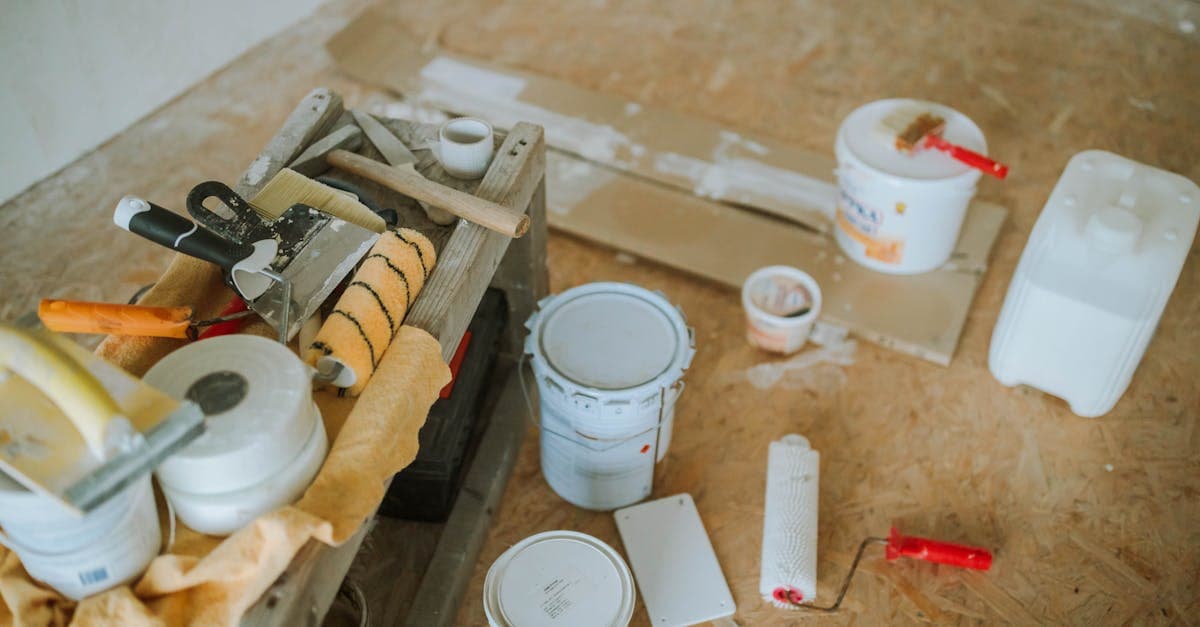
The relationship between home improvements and insurance has become increasingly complex as renovation spending has grown and home features have become more diverse. In earlier decades, homes were built with standardized materials and basic features, making replacement cost calculations straightforward and upgrades rare.
Today's homeowners invest in custom kitchens, luxury bathrooms, smart home technology, energy-efficient systems, outdoor living spaces, and specialty features that were not part of the insurance landscape a generation ago. Each of these improvements creates insurance implications that the original policy forms were not designed to address.
The insurance industry has responded with more sophisticated replacement cost estimators, endorsements for specific upgrade categories, and discount programs for risk-reducing improvements. But the fundamental challenge remains: insurers cannot track your home improvements in real time. They rely on the information you provided when the policy was written and any updates you report afterward.
This information gap means that the homeowner bears responsibility for keeping coverage current. Every renovation, every addition, every system upgrade changes the equation. And the consequences of falling behind — underinsurance, coverage disputes, and out-of-pocket costs during claims — grow with every unreported improvement.
Understanding which upgrades affect insurance and how to report them efficiently is essential knowledge for any homeowner who invests in their property.
The Annual Insurance Review After Home Upgrades
What happened next changed everything. An annual insurance review that accounts for home improvements is the most effective way to prevent coverage gaps from accumulating. This review connects your renovation activity to your coverage limits and ensures your protection matches your improved home.
Gather your renovation log: Before your annual review, compile a list of all improvements completed during the year — including those you may not have reported mid-year. Even small upgrades contribute to replacement cost when viewed collectively.
Review your Coverage A limit: Compare your dwelling coverage limit to the estimated replacement cost of your home including all improvements. If the gap is more than 5 percent, increase your limit. Remember that inflation has also been increasing construction costs beyond your specific improvements.
Verify endorsements: Confirm that all endorsements you expect are still on your policy. Check specifically for any endorsements added for new features like pools, home offices, or scheduled valuable items.
Claim available discounts: If you completed any risk-reducing upgrades during the year — new roof, security system, impact-resistant windows — verify that the corresponding premium discounts have been applied.
Update property details: If your home's square footage, construction type, or use has changed due to renovations, ensure your insurer's records reflect the current property characteristics. Outdated property details lead to inaccurate premium calculations and coverage amounts.
Discuss upcoming projects: If you plan major renovations in the coming year, discuss them with your agent during the review. Your agent can advise on coverage adjustments needed during and after construction.
Mechanical and System Upgrades: How They Affect Your Coverage
The story does not end there. Upgrading your home's mechanical systems — electrical, plumbing, HVAC, and water heating — affects insurance in ways that are often overlooked. These upgrades change both replacement cost and risk profile, creating both coverage needs and discount opportunities.
Electrical system upgrade: Replacing old wiring, upgrading from a fuse box to a circuit breaker panel, and increasing electrical capacity are among the most insurance-friendly upgrades. Outdated electrical systems are a leading cause of house fires, and modernization reduces this risk significantly. Some insurers require electrical updates before writing policies on older homes.
Plumbing system upgrade: Replacing galvanized steel or polybutylene pipes with copper or PEX reduces burst pipe and water damage risk. Adding a whole-house water shutoff valve with leak detection provides additional protection and may qualify for premium credits.
HVAC replacement: A new furnace, air conditioner, or heat pump replaces aging equipment that could cause fire or water damage. Modern systems with better efficiency and safety features improve your risk profile. The new system's replacement cost should be reflected in your dwelling coverage.
Water heater upgrade: Replacing a traditional tank water heater with a tankless model eliminates the risk of catastrophic tank failure that can release 40 to 80 gallons of water into your home. Some insurers recognize this risk reduction with premium credits.
Whole-house generator: A permanently installed generator with an automatic transfer switch protects your home during extended power outages. It prevents frozen pipe damage in winter and food spoilage, reducing potential claim costs. The generator itself adds to replacement cost as a permanently installed system.
Solar panel installation: Rooftop solar panels add $15,000 to $30,000 or more in replacement cost. Some insurers offer green energy discounts while others view the roof-mounted equipment as additional risk. Notify your insurer before installation to understand coverage implications.
Insurance Coverage During the Renovation Process
What happened next changed everything. The renovation period itself creates insurance considerations that many homeowners overlook. While your home is under construction, it faces elevated risks that your standard policy may not fully address.
Standard policy during renovation: Your homeowners policy remains in effect during renovations, but certain construction activities may introduce risks not contemplated by a standard policy. Open walls, exposed wiring, and construction materials on site create hazards that did not exist before the project.
Builder's risk coverage: For major renovations — particularly additions, second stories, and whole-house remodels — your agent may recommend a builder's risk policy or endorsement. This coverage protects the construction work in progress from damage during the renovation period.
Contractor insurance requirements: Verify that your contractor carries their own liability insurance and workers' compensation coverage. If a contractor's employee is injured on your property and the contractor does not carry workers' comp, the claim may fall to your homeowners liability coverage.
Vacancy and occupancy concerns: If you vacate your home during a major renovation, your policy's vacancy clause may apply. Many policies restrict coverage after a home is vacant for 30 to 60 days. Discuss extended vacancy with your agent if you plan to live elsewhere during construction.
Theft during renovation: Open structures, unlocked areas, and visible construction materials can attract theft. Your homeowners policy covers theft, but construction materials owned by the contractor may not be covered under your policy — they are the contractor's responsibility.
Updating coverage during the project: For lengthy renovations, consider updating your dwelling coverage limit partway through the project as significant milestones are completed. This ensures coverage keeps pace with the increasing replacement cost as work progresses.
Pools, Hot Tubs, and Outdoor Features: Insurance Considerations
What happened next changed everything. Outdoor features like pools, hot tubs, and outdoor living spaces are among the most significant insurance-affecting upgrades because they simultaneously increase replacement cost, create liability exposure, and may require specific coverage modifications.
In-ground swimming pools: An in-ground pool adds $30,000 to $80,000 or more in replacement cost and creates substantial liability exposure. Your insurer will require disclosure, adequate fencing, and may mandate higher liability limits. Pool equipment — pumps, heaters, filters — adds to the replacement cost calculation. Whether the pool falls under dwelling coverage or Coverage B depends on its attachment to the home.
Above-ground pools: While less expensive to install, above-ground pools create similar liability exposure to in-ground pools. Many insurers treat them equally for liability purposes. The replacement cost is lower, but the coverage and notification requirements are the same.
Hot tubs and spas: A hot tub adds $5,000 to $15,000 in replacement cost and creates drowning, burn, and electrical hazard liability. Built-in spas may fall under dwelling coverage while freestanding units may be personal property. Proper installation with GFCI protection and safety covers is typically required.
Outdoor kitchens: A built-in outdoor kitchen with grill, countertop, sink, and refrigerator can add $10,000 to $50,000 in replacement cost. Gas connections add fire risk. Whether the kitchen is attached to the home or freestanding determines the coverage category.
Fire pits and fireplaces: Permanent outdoor fire features add to replacement cost and introduce fire spread liability. Gas fire pits are generally viewed more favorably by insurers than wood-burning options due to lower fire spread risk.
Play equipment and sports courts: Basketball courts, tennis courts, and elaborate play structures add to replacement cost under Coverage B. Elevated structures like zip lines and climbing walls may increase liability concerns.
Solar Panels and Energy Efficiency Upgrades: Insurance Specifics
The story does not end there. Energy efficiency upgrades are a growing category of home improvements with unique insurance implications. Solar panels in particular require careful attention to coverage because they significantly increase replacement cost while also changing your home's risk profile.
Solar panel replacement cost: A typical residential solar installation costs $15,000 to $30,000 or more before incentives. These panels are permanently attached to your roof and should be covered under dwelling coverage. Your Coverage A limit must increase to reflect the installation cost.
Solar panel damage coverage: Roof-mounted solar panels are exposed to hail, wind, and falling objects. Your dwelling coverage protects them as part of the roof structure. Verify with your insurer that your policy does not exclude solar equipment or limit coverage for roof-mounted systems.
Premium impact of solar panels: The premium effect varies by insurer. Some offer green energy discounts. Others increase premiums due to the higher replacement cost and the complexity of repairing or replacing panels after damage. Compare insurers if your current carrier penalizes solar installation.
Geothermal systems: Geothermal heating and cooling systems involve significant underground infrastructure. The system is part of the dwelling and increases replacement cost. The complexity of reinstalling geothermal equipment after a loss should be reflected in your coverage.
High-efficiency windows and insulation: Energy-efficient upgrades like premium windows and spray foam insulation increase replacement cost modestly but provide risk reduction through better weatherproofing and temperature stability. The net premium impact is usually neutral or slightly positive.
Green upgrade endorsements: Some insurers offer green upgrade endorsements that allow you to replace damaged conventional systems with energy-efficient alternatives during a claim — even if the original systems were not energy-efficient. This endorsement supports sustainability goals during the rebuilding process.
Kitchen and Bathroom Upgrades: The Most Common Insurance-Affecting Renovations
What happened next changed everything. Kitchen and bathroom remodels are the most frequently completed home improvement projects in the United States, and they are among the most impactful for insurance purposes. Understanding their specific effects helps you manage coverage through these common renovations.
Custom cabinetry: Custom-built cabinets cost three to ten times more than stock cabinets. When custom cabinetry replaces builder-grade cabinets, the replacement cost of the kitchen jumps significantly. Standard replacement cost estimators may not fully capture custom cabinet values.
Premium countertops: Granite, quartz, marble, and specialty surfaces cost $50 to $200 or more per square foot installed, compared to $10 to $30 for laminate. A kitchen with 40 square feet of premium countertop adds $2,000 to $8,000 in replacement cost over laminate.
High-end appliances: Professional-grade ranges, built-in refrigerators, wine coolers, and premium dishwashers can cost two to five times more than standard appliances. Built-in appliances are part of the dwelling structure and affect your Coverage A calculation.
Tile and stone work: Premium tile in kitchens and bathrooms — marble, porcelain, natural stone — costs more to install and replace than standard options. Heated tile floors add both the flooring cost and the heating system cost to replacement calculations.
Fixture upgrades: Designer faucets, premium light fixtures, and specialty hardware may seem like small items, but they collectively add thousands to replacement cost. A bathroom with $3,000 in premium fixtures versus $500 in builder-grade fixtures has a measurably higher replacement cost.
When to notify your agent: Report any kitchen or bathroom renovation that exceeds $5,000 in total cost. Provide your agent with the scope of work and approximate cost so they can adjust your dwelling coverage limit appropriately.
When to Notify Your Insurance Agent About Home Upgrades
The story does not end there. Not every upgrade requires immediate notification, but knowing which ones do prevents coverage gaps and ensures timely discount application. Use these guidelines to determine when to contact your agent.
Notify immediately for these upgrades: Room additions, finished basements, swimming pools, hot tubs, kitchen remodels over $10,000, bathroom remodels over $5,000, new roofs, solar panel installations, and any change that adds square footage or introduces new liability exposure. These upgrades have immediate insurance implications.
Notify before starting these projects: Major structural changes, second-story additions, and commercial-use conversions should be discussed with your agent before construction begins. Your current policy may need a construction period endorsement, and the final coverage changes should be planned in advance.
Notify at your next renewal for these upgrades: Minor finish upgrades, appliance replacements, small fixture changes, and cosmetic improvements can typically wait until your next renewal for coverage adjustment. However, if several minor upgrades accumulate to a significant amount, earlier notification is prudent.
Notify to claim discounts for these upgrades: New roofs, security systems, electrical updates, plumbing updates, impact-resistant windows, storm shutters, and smart home devices should be reported promptly to trigger premium credits. Delaying notification delays your savings.
When in doubt, call your agent: If you are unsure whether an upgrade affects your insurance, a quick call to your agent clarifies the situation. Agents prefer proactive communication over discovering unreported improvements during a claim.
Keep a renovation log: Maintain a simple document that lists every upgrade by date, description, and cost. Share this log with your agent at each annual review to ensure your coverage reflects your home's current state.
Home Upgrades That Increase Your Liability Exposure
The story does not end there. Some home improvements make your property more enjoyable but also introduce risks that increase your liability exposure. Understanding these risks ensures you carry adequate liability coverage. Without it, the unbalanced portfolio where home improvements add value that your insurance coverage never absorbed, creating a growing gap between asset and protection.
Swimming pools: Pools are the most significant liability-increasing upgrade. Drowning risk, slip-and-fall injuries, and diving accidents create substantial exposure. Most insurers require pool disclosure, adequate fencing, and may require increased liability limits or an umbrella policy. Some insurers will not cover pools without specific safety features.
Trampolines: Trampolines cause thousands of injuries annually. Many insurers exclude trampoline injuries entirely through a policy endorsement, while others require safety nets, padding, and restricted access. Installing a trampoline without informing your insurer could leave injury claims uncovered.
Hot tubs and spas: Similar to pools, hot tubs create drowning, burn, and slip-and-fall risks. Cover locks, proper fencing, and temperature controls may be required by your insurer. Liability exposure is lower than pools but still significant.
Tree houses and play structures: Elevated play structures introduce fall risk for children. While most policies cover standard play equipment, elaborate tree houses or multi-story play structures may require additional liability consideration.
Dog runs and kennels: If you install facilities for multiple dogs, your liability exposure increases. Some breeds face coverage restrictions or exclusions, and housing multiple animals intensifies the liability profile.
Fire pits and outdoor fireplaces: Open flames create burn and fire spread risk. Proper installation, clearance from structures, and fuel management are important for both safety and insurance purposes. Permanent fire features add to replacement cost while introducing liability considerations.
The liability solution: For most liability-increasing upgrades, the combination of adequate homeowners liability limits and an umbrella policy provides comprehensive protection at reasonable cost.
The Bottom Line on Home Upgrades and Insurance
Think of your homeowners insurance as the adjusted portfolio that rebalances your insurance investments every time a home upgrade increases the asset value you need to protect. Every upgrade changes what needs protecting and what risks exist. If the protection does not adjust to match the changes, gaps appear.
A kitchen remodel adds value that needs coverage. A pool adds liability that needs limits. A new roof reduces risk that earns discounts. A security system prevents losses that lower premiums. Each upgrade shifts the insurance equation in a specific way.
Your job is simple: report every change, verify every adjustment, and claim every discount. When your insurance evolves alongside your home improvements, both your protection and your premium reflect reality rather than an outdated snapshot of a home that no longer exists.
Continue reading

The 10 Things You Must Compare Before Choosing an Insurance Policy
Premium price is just one of at least ten critical factors that determine whether an insurance policy delivers genuine value. Ignoring any of these factors can leave you underinsured or overpaying.

Policy Checkup After Having a Baby: Protecting Your Growing Family
A new baby means new financial responsibilities, life insurance needs, and coverage adjustments. A policy checkup after your child arrives ensures your family's protection matches its new size.

Assignment of Benefits vs Direction to Pay: Key Differences Explained
A direction to pay tells the insurer to send the check to your contractor. An AOB transfers your legal claim rights entirely. The distinction matters enormously for your protection.